
Imagine pulling up to a fuel station after a long highway drive, filling up in two minutes, and driving off without a second thought about your next charge. For many, that simple freedom feels like a relief in 2026. While electric vehicles (EVs) promised a clean revolution, hybrid cars are quietly stealing the spotlight. Sales data shows hybrids gaining strongly while pure EV growth has hit bumps in several markets. Hybrid Cars vs EVs 2026
Have you noticed more Toyota Camry or Honda hybrids on Indian roads lately? Or friends talking about better mileage without the stress of finding a charger? This isn’t just hype. Hybrids are making a real comeback, and the question on everyone’s mind is: Are they actually better than EVs right now?
Let’s dive deep into what’s happening, why it matters for everyday drivers like us in Lucknow or Mumbai, and how to decide what fits your life best.
What’s Driving the Hybrid Comeback?
A few years ago, it seemed EVs would take over completely. Governments pushed hard with incentives, and brands bet big on battery power. But reality hit differently in 2025-2026.
In the US, hybrid and plug-in hybrid sales rose noticeably while battery EV sales dipped in some quarters after key incentives ended. Globally, automakers like Toyota and Honda doubled down on hybrids, with Toyota reporting strong hybrid numbers even as some EV plans slowed.
Here in India, EV registrations crossed significant milestones with over 8% penetration in FY2025-26, yet hybrids are growing fast too. Strict emission norms, volatile petrol prices, and the practical challenges of long-distance travel are pushing buyers toward hybrids. Maruti Suzuki, Toyota, and Honda are expanding hybrid offerings because customers want efficiency without the full jump to electric.
Here’s the surprising part: Many buyers aren’t rejecting green tech—they’re choosing the version that fits real life better right now. Hybrids deliver electric assistance for city driving and a petrol engine for highways, giving the best of both without compromises that feel painful today.
Did you know? In some analyses, hybrids outsold or closely competed with EVs in certain segments because they don’t require massive infrastructure changes overnight.
Why This Shift Matters Right Now in 2026
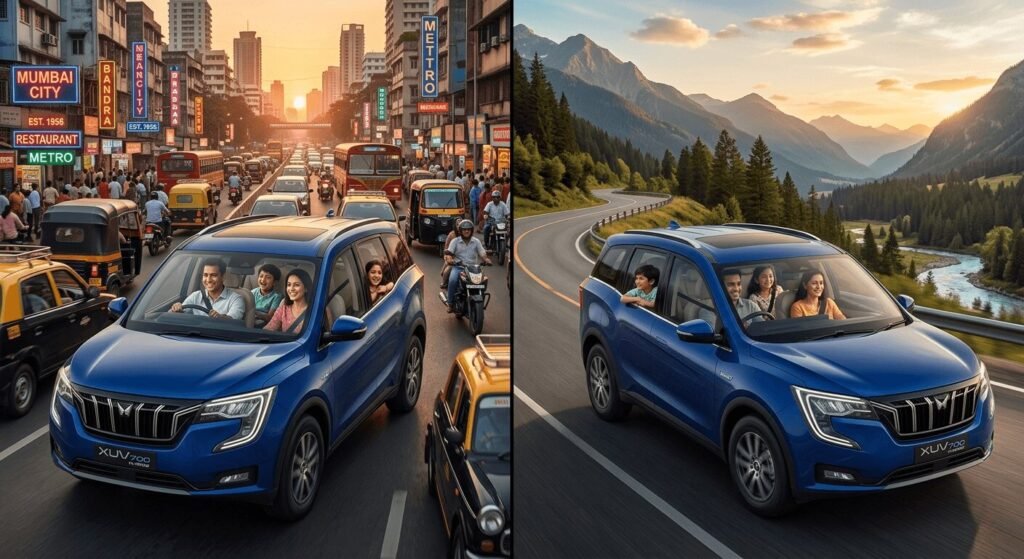
Fuel prices fluctuate, and electricity costs are rising in many places too. For Indian families who drive 10,000–20,000 km a year—mix of city traffic and occasional trips to Delhi or hill stations—hybrids often make immediate financial sense.
Range anxiety still bothers many EV owners on long routes where fast chargers are sparse. A hybrid? You refuel like always and enjoy 20-30+ km/l efficiency in good models.
Charging infrastructure is improving in India, but it’s nowhere near universal. Not everyone has home charging—think apartment dwellers in Lucknow or other cities. Public chargers can mean waiting or detours. Hybrids skip that headache entirely.
Plus, upfront costs matter. Many popular hybrids sit in a more accessible price bracket compared to similarly equipped EVs, especially after subsidies change.
This isn’t about hating EVs. It’s about what works when you have kids to drop at school, groceries to buy, and a weekend getaway planned.
Hybrid vs EVs: Real-World Pros and Cons
Let’s break it down honestly—no marketing fluff.
Hybrids Shine In:
- Convenience: Fill up anywhere. No planning charging stops on family trips.
- Reliability for Mixed Driving: The combination of petrol engine and electric motor delivers excellent mileage in stop-go traffic (common in Indian cities) and steady highway speeds.
- Lower Upfront Worry: Often cheaper to buy or finance than equivalent EVs. Resale holds decently because the tech is proven.
- No Range Stress: Drive from Lucknow to Agra or further without thinking twice.
EVs Still Win In:
- Running Costs: Electricity is usually cheaper per km for daily commuters with home charging. Maintenance is simpler with fewer moving parts.
- Driving Feel: Instant torque makes them peppy and quiet. Smooth acceleration feels premium.
- Zero Tailpipe Emissions: Better for local air quality if the grid gets cleaner.
- Tech and Future-Proofing: Advanced software, over-the-air updates, and government pushes toward full electrification.
The Trade-offs: EVs can feel limiting without reliable charging. Cold weather or heavy AC use reduces range noticeably. Hybrids still burn some petrol, so they’re not fully zero-emission, though modern ones emit far less than older cars.
Here’s a relatable example: A Mumbai executive commuting daily might love an EV for its silence and low costs. But a family in smaller cities or someone who frequently travels intercity often picks a hybrid for peace of mind. Many report hybrids feel like “EVs without the drama.”
Rhetorical question: Would you rather save money on fuel today or bet everything on perfect charging infrastructure tomorrow?
Real Stories from Drivers
Think about your neighbour who bought a strong hybrid recently. They mention averaging 25 km/l in city conditions—impressive when pure petrol siblings struggle below 15. No midnight charger hunts after long days.
Or the delivery fleet operator switching some vehicles to hybrids. They cut fuel bills significantly without overhauling depots for chargers.
In contrast, EV owners with home setups often rave about the experience—waking up to a “full tank” every morning. But those without dedicated parking or in areas with unreliable power tell different tales of planning and occasional stress.
Consumer surveys in 2026 show more people seriously considering hybrids than pure EVs for their next purchase. Interest in hybrids hovers higher because they feel like a safer, practical step.
Technology Advances Making Hybrids Even Better
Modern hybrids aren’t your grandpa’s Prius anymore. Toyota’s latest systems blend seamless electric-only driving for short distances with powerful petrol backup. Some plug-in hybrids (PHEVs) let you drive 50-80 km on pure electric before the engine kicks in—perfect for daily city runs.
Battery tech in hybrids is smaller and more affordable, so replacement worries are lower than in full EVs. Regenerative braking captures energy efficiently in traffic.
Automakers are investing heavily here because data shows strong demand. Expect more hybrid versions of popular SUVs and sedans in coming months.
Challenges Hybrids Still Face
They aren’t perfect. Petrol component means ongoing fuel costs, even if reduced. Some drivers miss the pure electric thrill. In very congested cities with heavy idling, the advantage narrows.
Maintenance involves both systems, though overall reliability scores for hybrids are often strong.
For full EVs, battery degradation over time and high replacement costs remain concerns, though warranties are improving.
What Does the Future Look Like? Next 3–6 Months and Beyond
In the short term (rest of 2026), hybrids will likely keep gaining. More models are launching, and buyers wary of EV inventory issues or policy shifts are opting for them. In India, hybrid growth is projected strong due to emission rules and fuel economics.
EVs aren’t going away—far from it. China leads global numbers, and India’s two-wheeler and three-wheeler EV segments are booming. Long-term, as battery prices drop, charging networks expand, and renewable energy grows, EVs should become more dominant.
But for 2026-2027, the “sweet spot” for many seems to be hybrids or PHEVs. They bridge the gap beautifully.
Automakers are rebalancing portfolios—some scaling back aggressive EV-only targets while expanding hybrid lines. This pragmatic approach suggests the industry is listening to actual buyers, not just policy dreams.
Actionable Tips: How to Choose Between Hybrid and EV
- Assess Your Driving: Mostly city commute under 50 km daily with home charging? Lean EV. Mix of city and highway, or no reliable charging? Hybrid or PHEV makes sense.
- Calculate Real Costs: Factor purchase price, fuel/electricity, maintenance, insurance, and resale. Use online calculators with your location’s rates.
- Test Drive Both: Feel the difference. Many showrooms now have Hybrid Cars vs EVs 2026 side by side.
- Check Infrastructure Near You: In Lucknow or your city, how convenient are fast chargers for occasional long trips?
- Think Resale and Reliability: Hybrids have a longer track record for many brands popular in India.
- Government Incentives: Stay updated—policies can shift, affecting net cost.
Pro tip: If you’re unsure, a plug-in hybrid offers a nice middle ground. Use electric mode daily, fall back on petrol when needed.
The Emotional Side of the Choice
Buying a car isn’t just numbers. It’s about reducing stress in daily life. For many Indian families, that means reliable transport without new headaches. Hybrids feel familiar yet smarter—less guilt at the pump, noticeable savings, and freedom to drive anywhere.
EVs bring excitement of new technology and quiet pride in lower emissions. Both paths show we care about the environment and our wallets.
The comeback of hybrids reminds us progress doesn’t have to be all-or-nothing. Sometimes the balanced choice serves us best while the world catches up.
What do you think—has your view on hybrids changed with recent trends?
Conclusion Hybrid Cars vs EVs 2026
Hybrid cars aren’t a step backward; they’re a smart evolution for right now. In 2026, with real-world constraints around charging, costs, and daily usability, many drivers are finding hybrids deliver better overall value and peace of mind than full EVs.
That doesn’t mean EVs are failing—they’re improving fast and will suit more people as infrastructure matures. But forcing a one-size-fits-all future ignores how most of us actually live and drive.
Take time to understand your needs. Drive both if possible. The best car is the one that makes your life easier, saves you money where it counts, and aligns with your values.
The comeback story of hybrids proves drivers still have power in shaping automotive trends. What will you choose for your next ride?
FAQs
1. Are hybrid cars really better than EVs in 2026? It depends on your lifestyle. Hybrids often win for convenience, lower upfront stress, and long trips with no range anxiety. EVs excel in daily running costs and smoothness if you have easy charging. Many experts call hybrids the practical choice for most buyers right now.
2. Why are hybrid sales increasing while some EV sales slow? After strong Hybrid Cars vs EVs pushes, buyers faced high prices, charging challenges, and shifting incentives. Hybrids offer proven efficiency and familiarity without those hurdles. Automakers are responding to actual demand.
3. Is a hybrid worth buying in India? Yes, especially for mixed driving and areas with limited charging. With rising fuel prices and improving hybrid models from Toyota, Honda, and Maruti, they deliver strong mileage and reliability. Hybrids are projected to grow significantly in the Indian market.
4. Do hybrids have lower maintenance than EVs? Hybrid Cars vs EVs 2026 Hybrids have more moving parts due to the petrol engine, but modern ones are very reliable. EVs have simpler drivetrains and potentially lower maintenance, but battery concerns can arise later. Check brand-specific data and warranties.
5. Will hybrids become outdated soon as EVs improve? Not immediately. Hybrids serve as a strong bridge technology. Even as EVs advance, hybrids will remain relevant for years, especially in markets like India where full infrastructure rollout takes time. Many see them co-existing for the next decade.


