
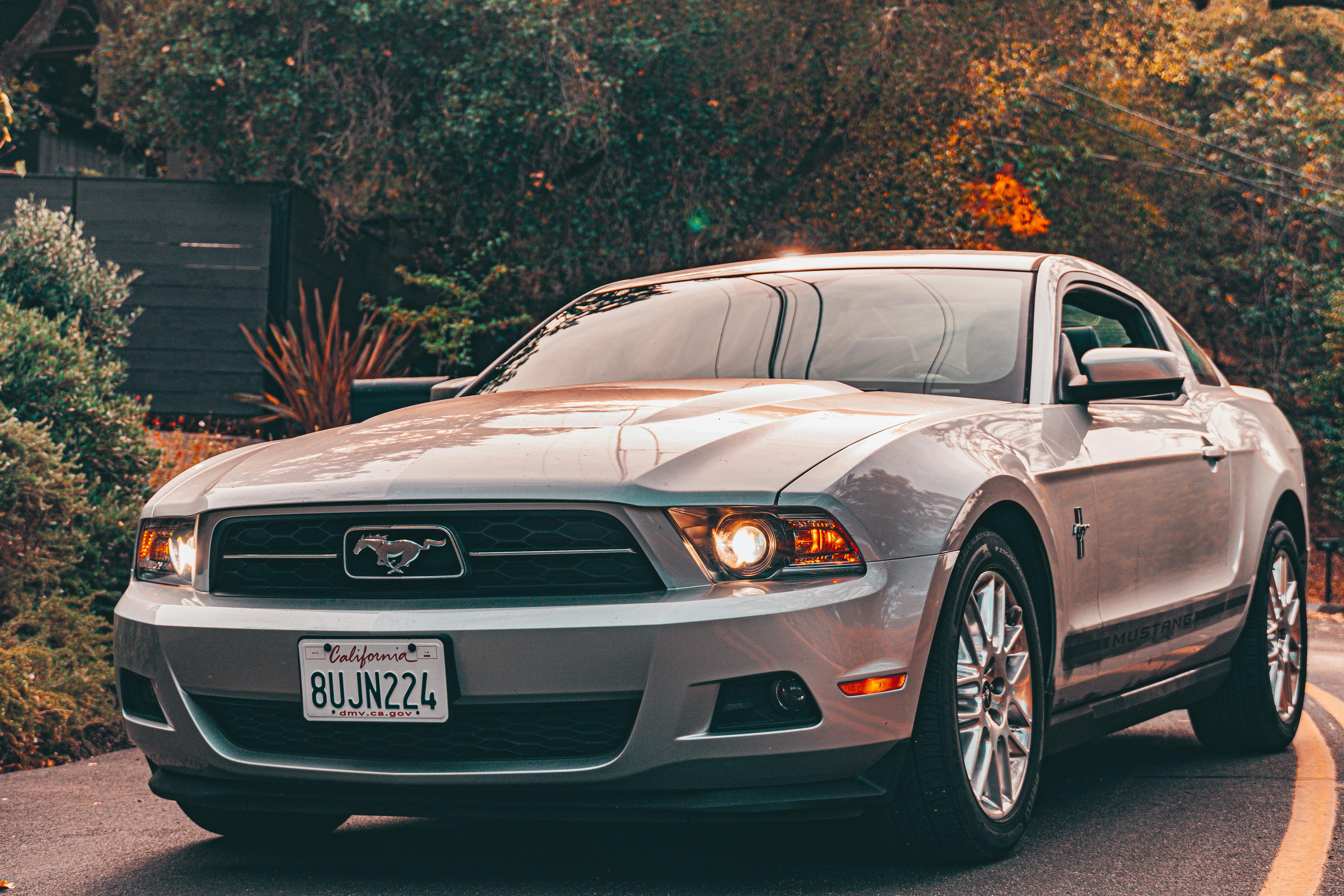
Two drivers living on the same street, with similar cars and clean records, are routinely quoted premiums that differ substantially. The pricing model is doing more than assessing driving ability.
Pricing is a prediction about a group, not a person
An insurer cannot know what any individual will do. It places each policy into a segment defined by measurable characteristics and prices for the expected claims of that segment.
Every factor used is one that has demonstrated a statistical relationship with claims cost in the insurer's own data, which is why apparently unrelated details are asked for.
Two people can therefore fall into different segments over a detail neither considers relevant, and the resulting price difference reflects the segment rather than a judgement about them.
The vehicle carries much of the difference
Insurers assign ratings based on repair testing, parts prices, security features and observed claims history for each model and variant.
Two cars of the same size and price can sit several groups apart because one uses more expensive body materials or carries more sensors in vulnerable positions.
Engine output, security rating and how attractive a model is to thieves all feed into the same rating, and the differences compound.
Usage matters more than the address
Annual mileage is one of the strongest predictors available, because exposure to risk is roughly proportional to distance travelled.
Where the car is kept overnight and what it is used for both change the picture, since a vehicle used for commuting into a city centre is exposed differently from one used at weekends.
Postcode captures local claims experience including theft rates, accident frequency and the cost of repairs in that area, which can vary noticeably within a single town.
History is weighted heavily
Past claims are used because claiming behaviour is persistent, and the effect of a claim on price typically decays over several years rather than disappearing at renewal.
No-claims records are effectively a discount earned through demonstrated experience, and the size of the discount grows with the number of years accumulated.
Named drivers, licence history and the length of time a licence has been held all adjust the estimate further, which is why household composition changes the quote.
Why the same details produce different quotes
Each insurer uses its own claims data and its own model, so the weight given to any factor differs from one company to another.
Insurers also differ in which segments they actively want, and pricing is adjusted to attract or discourage business in particular groups.
That variation is why quotations for identical information can differ widely, and it reflects commercial strategy as much as risk assessment.