
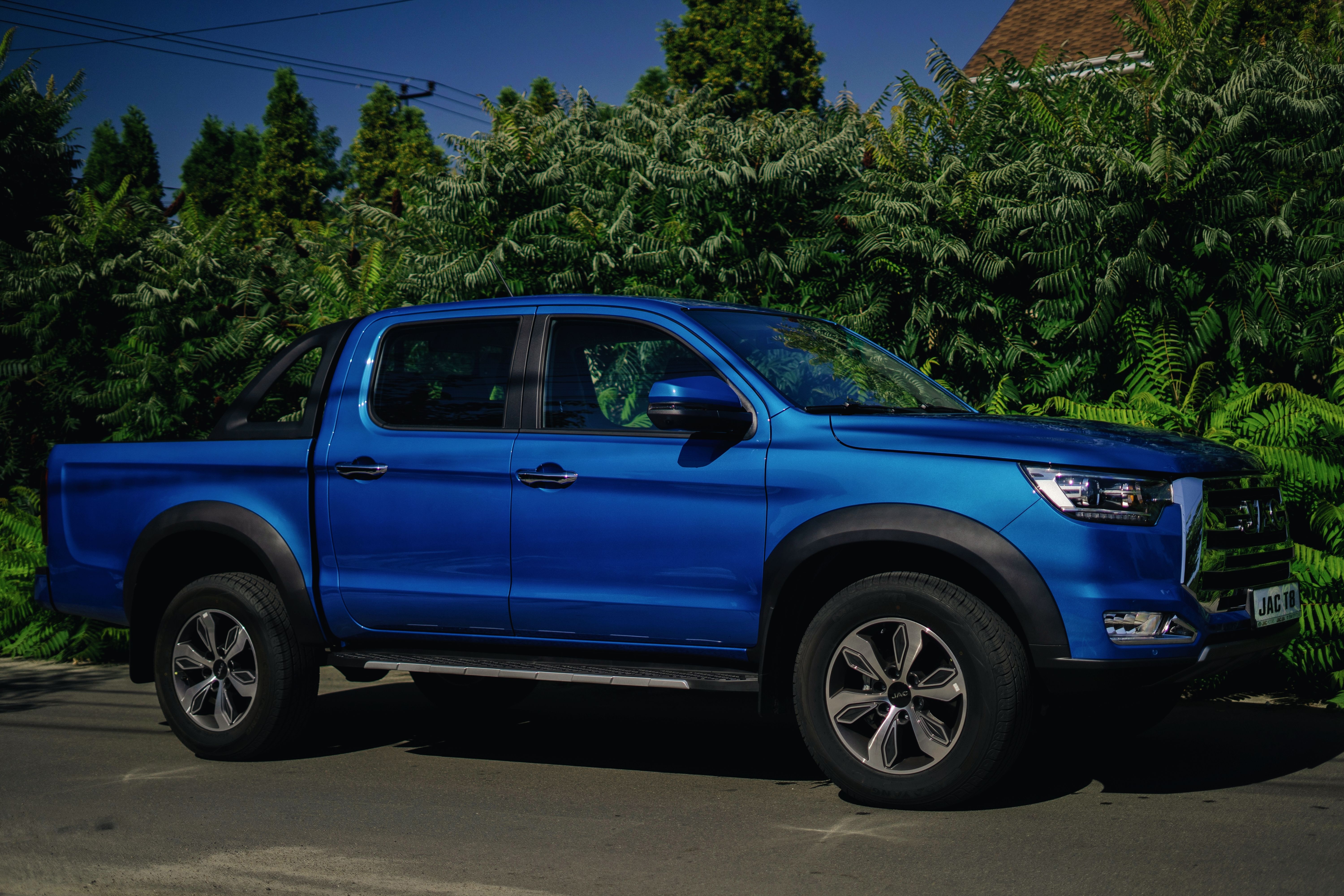
The typical American full-size pickup now devotes far more of its length to seating than it did a generation ago, with a shorter bed behind it. The change follows how the trucks are actually used.
Total length is constrained even if nothing else is
A truck has to fit garages, parking structures, dealership lots and driveways. Beyond a certain length it also becomes difficult to maneuver in ordinary traffic.
Wheelbase drives turning circle and ride quality, and a very long wheelbase compromises both. Manufacturers therefore treat overall length as close to fixed.
Within a fixed length, cab and bed compete directly. Any inch added to the cabin is an inch removed from the load area.
Buyers use the cabin every day
Most full-size pickups sold in the United States are bought as primary family vehicles, carrying passengers on the majority of trips and loads occasionally.
A crew cab with usable rear legroom and full rear doors serves that pattern, while a standard cab does not. Demand followed accordingly.
Rear seat space also became a spec buyers compare directly, in a way bed length between competing trucks generally is not.
Bed capability moved from length to features
A shorter bed carries less sheet material, so manufacturers addressed the shortfall with tailgate designs, bed extenders and cleats that let long loads overhang safely.
Tie-down systems, integrated steps and in-bed storage compartments target the way a family truck is loaded, which is many small items rather than one long one.
Payload rating did not necessarily fall with bed length, since payload is determined by suspension, axle and frame capacity rather than by cargo floor area.
Work trucks kept the old proportions
Fleet and trade buyers still order regular and extended cabs with long beds, because the work requires carrying materials that a short bed cannot take.
Those configurations remain in the catalog but occupy a shrinking share of production, which is why they are harder to find on a retail lot.
Upfitters reinforce this split. Service bodies and flatbeds are built for cab-and-chassis versions, so the trade market moved further from the retail configuration.
The consequence for towing and parking
A short bed shortens the distance between the hitch and the cab, which reduces clearance between a truck and a gooseneck trailer during tight turns.
Conventional towing is less affected, though tongue weight placement relative to the rear axle still changes with wheelbase and matters for stability.
For most owners the practical effect is simpler: a crew cab short bed is a long vehicle that carries five people well and a sheet of plywood only with the tailgate down.