
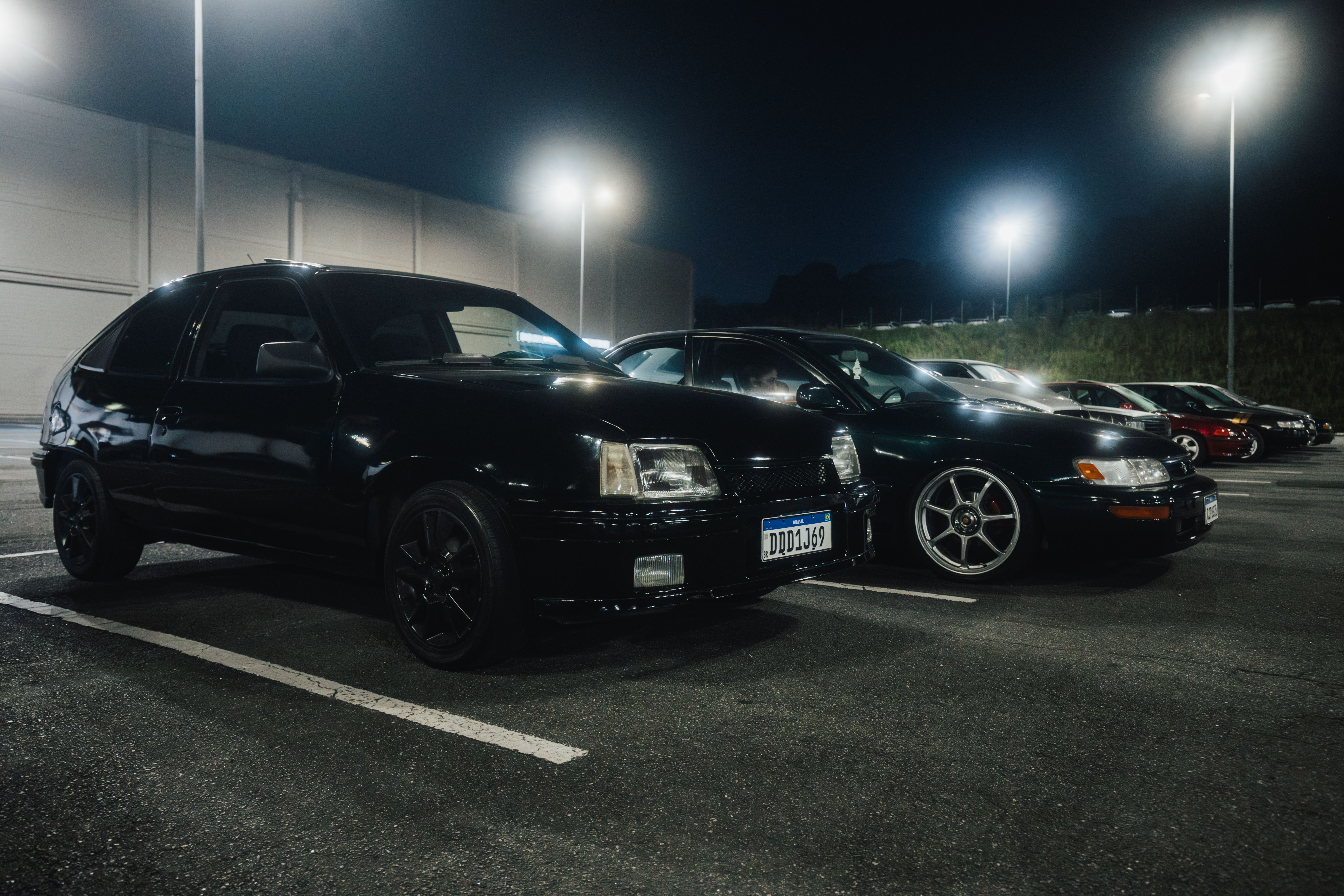
Walk a dealership forecourt and the colour range runs from white through silver and grey to black. The narrowing was not a design decision so much as the outcome of several separate pressures pointing the same way.
Resale value drives the first decision
Most new cars are bought with a financing agreement that assumes a residual value at the end of the term. Somebody has to estimate what the car will be worth, and estimate it conservatively.
Neutral colours sell faster and more predictably second-hand because they appeal to the widest pool of buyers. A bold colour narrows that pool and lengthens the time on the forecourt.
That risk is priced in, so fleet buyers and leasing companies specify neutral colours almost exclusively, and fleets account for a very large share of new registrations.
Paint shops punish low volume
A paint shop is one of the most expensive parts of a factory. Changing colour between cars requires purging lines and cleaning equipment, which costs time and material.
Bodies are therefore batched by colour wherever possible. A colour ordered rarely disrupts that batching, so it either carries a surcharge or is quietly dropped from the range.
Once a colour falls below a certain take rate, keeping it certified, stocked and matched for repairs stops being worth the trouble, and the option disappears at the next model update.
Some pigments are simply harder to live with
Reds and some yellows historically faded faster under ultraviolet light, and although modern pigments are far better, the reputation shaped a generation of buying habits.
Metallic and pearlescent finishes hide minor imperfections in the panel and in the paint itself, which makes them more forgiving in production and more flattering on a used car.
They are also easier to blend during repair than a flat solid colour, which matters to insurers and body shops and feeds back into what manufacturers choose to offer.
The feedback loop tightens the range
Buyers looking at a used forecourt see mostly neutral cars, which normalises them. A bold colour starts to look like a risk rather than a preference.
Manufacturers read the order data, drop the slow colours, and the next generation of buyers sees an even narrower choice. Each round reinforces the last.
Dealers contribute as well, since stock ordered for the forecourt is chosen to sell quickly rather than to display the range, and most buyers take a car from stock.
Where colour still survives
Small cars aimed at private buyers keep the widest palettes, because those buyers pay for the car themselves and are not managing a residual value on a spreadsheet.
Performance models retain signature colours that are part of the brand's identity and actively help resale rather than hurting it, which inverts the usual calculation.
Some manufacturers now offer bold colours through low-volume paint-to-order schemes, accepting the production disruption in exchange for a price premium and the attention the cars attract.