
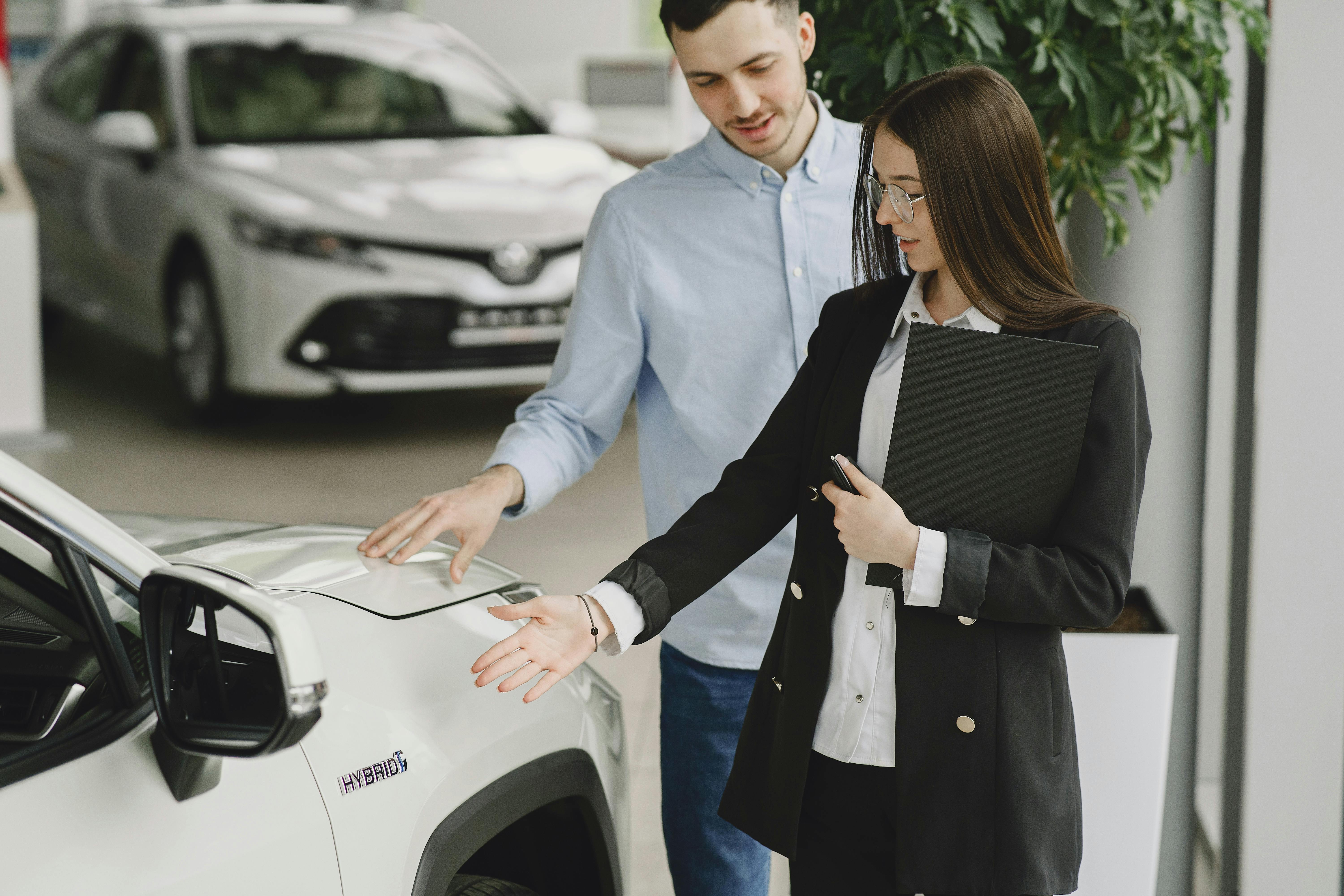
Hybrid owners frequently reach high mileage on original brake pads. The reason is that the friction brakes are doing a small fraction of the work they would in a conventional car.
The motor slows the car before the pads do
In a hybrid, lifting off the accelerator or applying light brake pressure runs the electric machine as a generator, which resists rotation and decelerates the vehicle.
The energy removed goes into the battery rather than into heat at the rotor, so ordinary stops in traffic can be completed without meaningful pad contact.
Friction braking is blended in for firmer stops, at very low speeds where the generator becomes ineffective, and whenever the battery cannot accept more charge.
Blending is managed by the brake system
The pedal in most hybrids is not directly connected to hydraulic pressure in the usual way. A controller interprets pedal position and apportions braking between regeneration and friction.
This is why hybrid brake feel is sometimes described as artificial. The pedal is providing a request rather than a direct mechanical link.
The transition point between regenerative and friction braking is where calibration quality shows most, and early systems were noticeably less smooth than current ones.
Underused brakes develop different problems
Pads and rotors that rarely reach working temperature accumulate surface corrosion, particularly in humid or salted climates where the car sits outdoors.
Caliper slide pins and parking brake mechanisms can seize from disuse, which produces uneven wear or a dragging brake once they do engage.
Many hybrid maintenance schedules therefore call for periodic brake service focused on cleaning and lubrication rather than on replacing worn material.
Regeneration limits vary with conditions
A cold battery accepts charge slowly, so regenerative capacity is reduced on the first miles of a winter morning and friction braking picks up the difference.
A full battery cannot accept energy at all, which is why a hybrid descending a long grade eventually shifts to friction braking and can behave differently than expected.
Some systems address this by spinning the engine to absorb energy through pumping losses, imitating engine braking without producing charge.
The pattern extends to electric vehicles
Battery electric cars use the same principle more aggressively, with one-pedal driving arranged so the friction brakes are used mainly for hard stops and holding.
The consequence is identical: brake components last far longer but require attention for corrosion and seizure rather than for wear.
It also shifts the maintenance cost profile, since tires and suspension components become the wear items that dominate service spending instead.