
Electric cars lose a substantial part of their range in cold weather, and the loss is larger than most drivers expect from a petrol car in the same conditions. Two separate mechanisms are at work.
There is no waste heat to borrow
A combustion engine converts most of its fuel energy into heat, and warming the cabin costs nothing extra because that heat is being produced anyway and has to be dumped somewhere.
An electric drivetrain is efficient, which means it produces comparatively little waste heat. Cabin warmth must therefore be generated deliberately, using energy that would otherwise have moved the car.
Heating a cabin on a cold day can draw power comparable to cruising at moderate speed, so the effect on range is immediate and easy to observe.
Cold cells resist being used
Lithium chemistry slows down at low temperature. Ion movement inside the cell becomes sluggish and internal resistance rises, so more of the stored energy is lost as heat during discharge.
The car also restricts how hard the pack may be worked when it is very cold, which reduces available power and, more visibly, cuts the rate at which it will accept a rapid charge.
Capacity is not permanently lost. A cold pack that warms up returns to its normal behaviour, which is why range recovers fully in spring.
Heat pumps changed the arithmetic
A resistive heater converts electricity to heat at a fixed one-to-one rate. A heat pump instead moves heat from outside air, or from the drivetrain, into the cabin.
Because it is moving heat rather than creating it, a heat pump can deliver several times more warmth per unit of electricity, which materially reduces the winter penalty.
Their advantage narrows as outside temperatures drop very low, since there is less ambient heat available to move, and most systems fall back on resistive heating at the extremes.
Short journeys suffer most
Warming a cold cabin and a cold battery are both one-off costs paid at the start of a trip. A long drive spreads them over many miles; a short one does not.
A pattern of brief journeys in winter can therefore show a far worse consumption figure than the same total distance driven in one go.
The battery may never reach its efficient operating temperature at all on such trips, which compounds the problem across a whole season of short commutes.
Preconditioning is the main defence
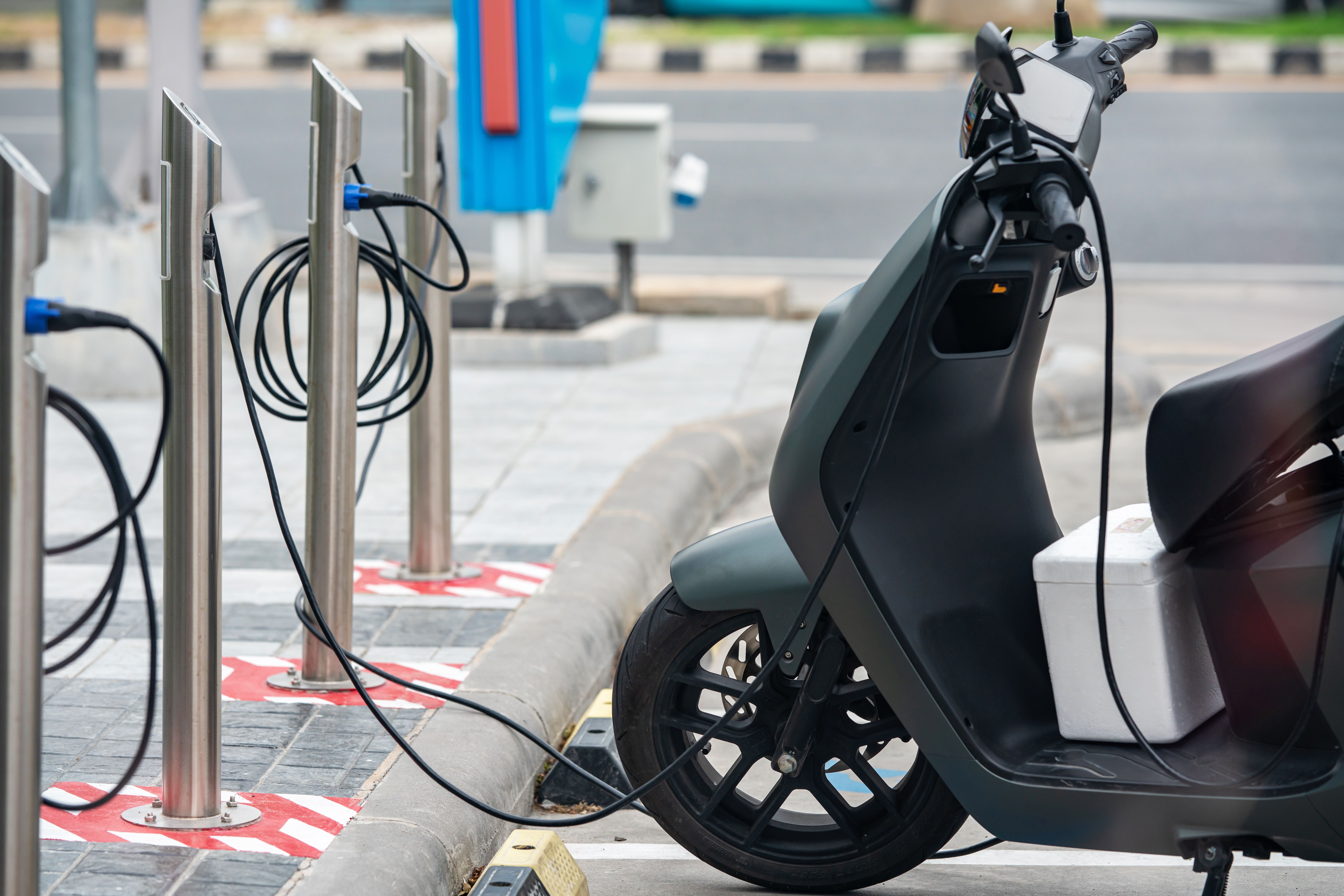
Most electric cars can warm the cabin and the pack while still plugged in, drawing that energy from the supply rather than from the battery.
Starting a journey with a warm cabin and a battery already in its operating window removes the largest part of the winter penalty before the car has moved.
Setting a departure time also lets the car spread the warming over a longer period at lower power, which is gentler on the pack than a sudden demand for heat.