
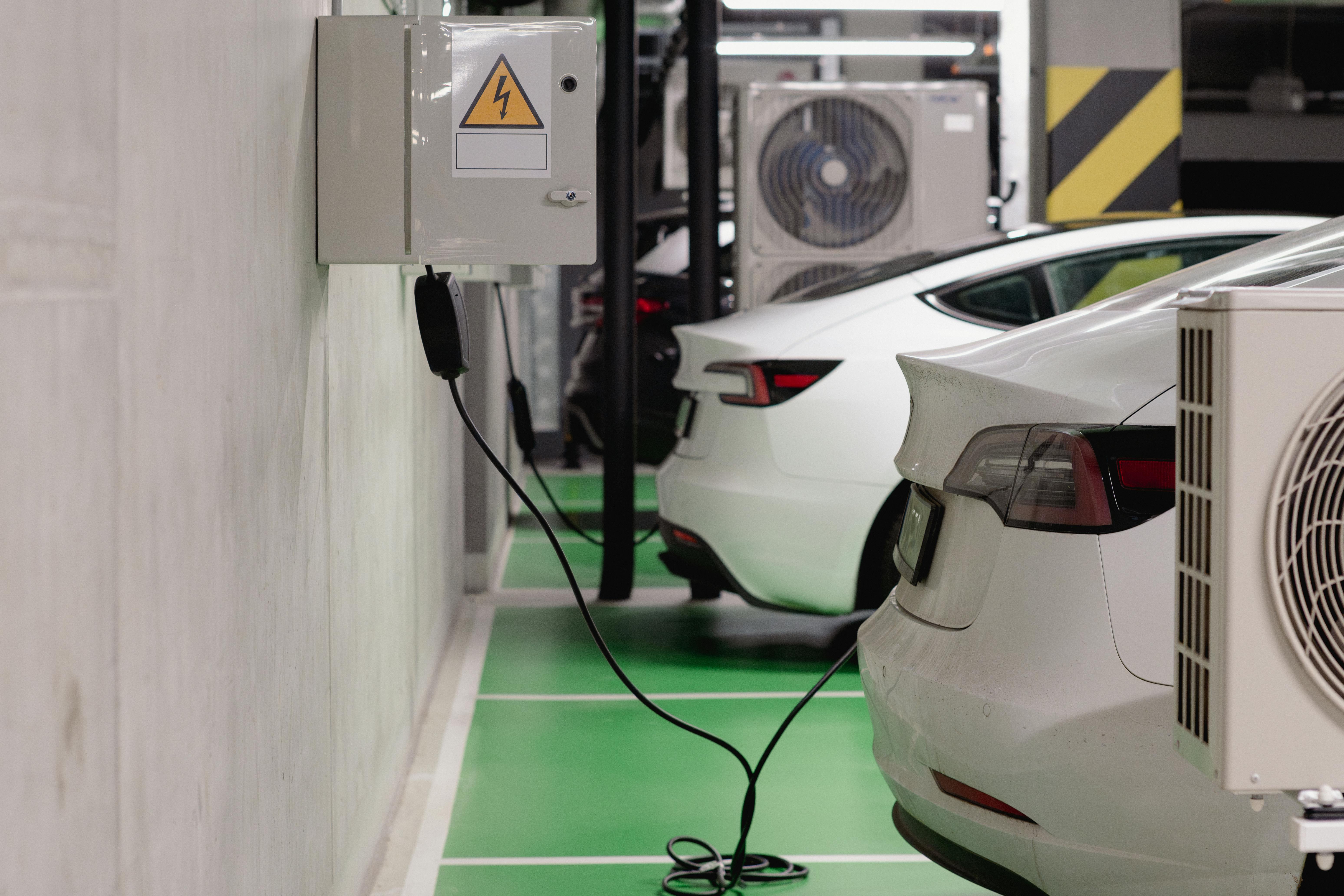
The convenience case for an electric car rests on waking up to a full battery. That assumption quietly requires a parking space with an electrical service the driver controls.
Home charging is a property arrangement
Installing a charger means running a circuit from a panel to a parking spot, which requires both the electrical capacity and the authority to modify the building.
A homeowner with a garage has both. A tenant in a shared lot has neither, and the parking space they use may not be assigned to them at all.
Even where a landlord is willing, the panel capacity of an older multifamily building often cannot support many chargers without a service upgrade that no one wants to fund.
Shared parking creates a metering problem
A charger in a common area draws on the building's electricity, so the cost has to be attributed to the driver rather than spread across every resident.
That requires metered, networked equipment with billing software, which costs considerably more than the simple unit a homeowner installs and needs ongoing administration.
Access control adds another layer. A shared charger serving many cars needs rules about how long a vehicle can occupy it once charging is complete.
Street parking removes the connection entirely
Drivers who park on the street have no fixed spot to wire. Curbside charging must therefore be public infrastructure, installed and maintained by a utility, city or operator.
Sidewalk installations run into obstruction rules, cable management and winter maintenance. A cable crossing a public walkway is a hazard and generally not permitted.
Some cities have experimented with charging built into existing street furniture, which avoids new obstructions but delivers modest power and serves few vehicles per installation.
The substitute is slower and less certain
Without overnight charging, drivers rely on public sessions, which means planning trips around charger locations and accepting the higher per-unit cost of commercial charging.
Workplace charging fills part of the gap for commuters, since a car parked for a full shift can take a meaningful charge at modest power.
For drivers with neither home nor workplace access, the car requires deliberate errands rather than passive refueling, which is a different ownership experience from the one advertised.
Why this shapes adoption geography
Electric vehicle uptake tracks housing type closely, concentrating where single-family homes with garages dominate and thinning where dense multifamily housing does.
That pattern is not about interest or income alone. It reflects who can plug in at night without asking anyone's permission.
Any serious expansion beyond that base depends on curbside and multifamily charging becoming ordinary infrastructure rather than a project each building undertakes on its own.