
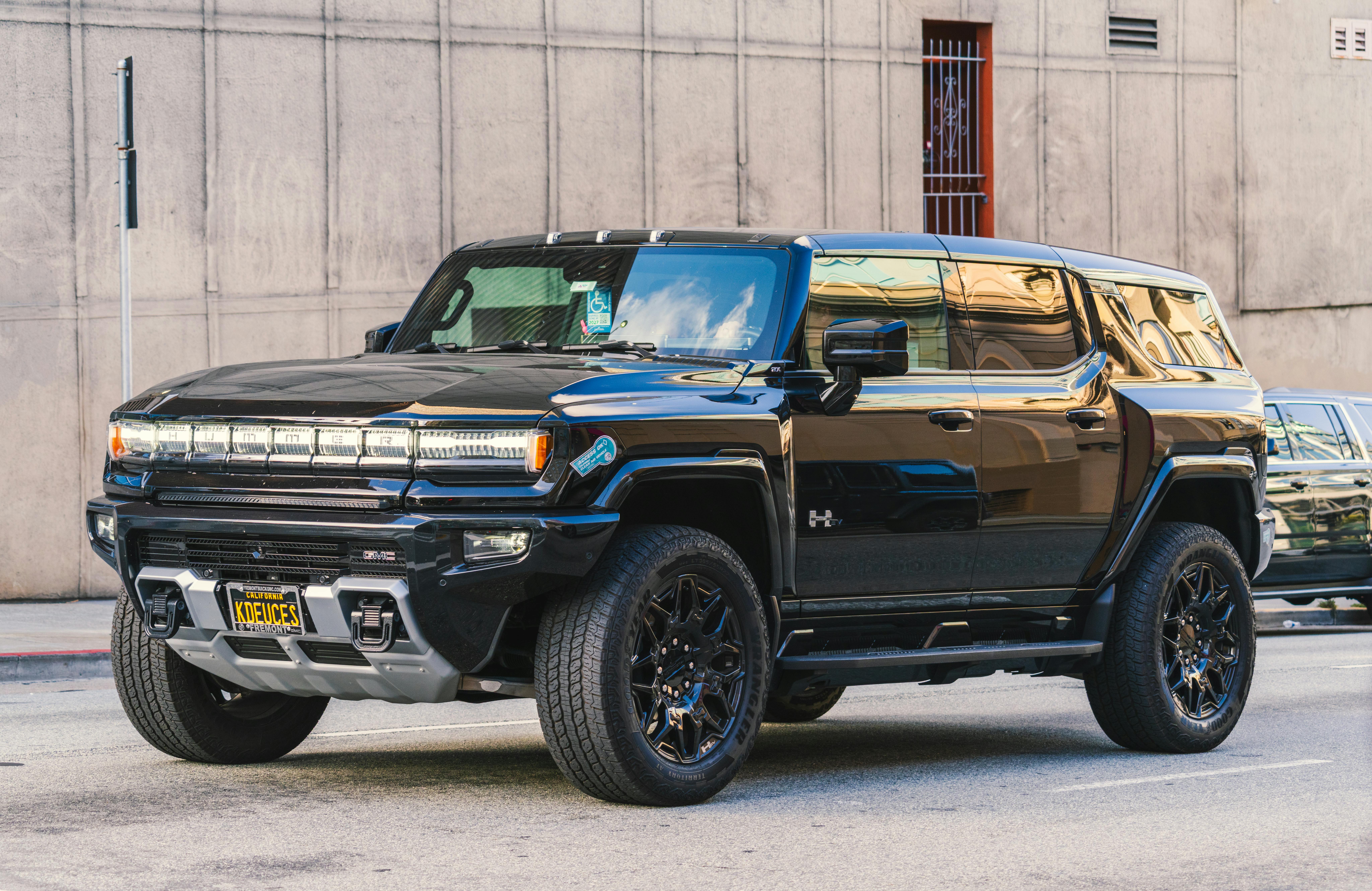
The year is 2026, and electric crossovers have taken over. With unparalleled range, blistering performance, and cutting-edge tech, choosing the right electric SUV is tougher than ever. Our expert guide compares the top models, helping you find the perfect blend of value, charging speed, and family-friendly features for your next EV purchase.
Introduction to the Topic
Welcome to 2026, where the hum of electric motors has become the soundtrack of our daily commute, and the once-niche electric vehicle (EV) market has exploded into a vibrant, competitive landscape. At the forefront of this revolution? The electric crossover. These versatile, family-friendly, and adventure-ready machines have captured the hearts and wallets of consumers worldwide, offering the practicality of an SUV with the eco-conscious benefits and exhilarating performance of an EV. No longer a compromise, today's electric crossovers boast ranges that conquer anxiety, charging speeds that defy expectations, and integrated technology that makes every drive a joy.
But with so many incredible options flooding the market – from established giants refining their craft to nimble newcomers pushing boundaries – how do you navigate the choices? The sheer volume of models, varying battery chemistries, charging ecosystems, and software suites can be overwhelming. This isn't just about picking a car; it's about investing in a lifestyle, a future, and a vehicle that perfectly aligns with your needs and budget. At motorscrazy.com, we’re here to cut through the noise, providing you with an in-depth, no-holds-barred comparison of the top electric crossovers set to dominate 2026. Whether you're a first-time EV buyer or looking to upgrade, prepare to uncover which electric SUV truly offers the best range, value, and tech for you.
Backgrounds & Facts
The journey to 2026 has seen an astonishing acceleration in EV adoption, particularly within the crossover segment. What started as a trickle of early adopters has become a tidal wave, driven by several converging factors. Government incentives, falling battery costs, and a growing global awareness of climate change have all played significant roles. However, the most impactful change has been the rapid maturation of the technology itself.
By 2026, battery energy density has dramatically improved, allowing most new electric crossovers to comfortably offer an EPA-estimated range of 300 miles or more on a single charge. This breakthrough has largely silenced the once-ubiquitous "range anxiety" concern. Simultaneously, charging infrastructure has expanded exponentially. Ultra-fast DC charging stations, capable of adding 150-200 miles of range in just 15-20 minutes, are now commonplace along major highways and urban centers. Furthermore, Vehicle-to-Grid (V2G) and Vehicle-to-Load (V2L) capabilities are no longer premium novelties but standard features in many models, transforming EVs from mere transportation into mobile power hubs for homes and camping trips.
Manufacturers, both legacy automakers and EV-native startups, have poured billions into dedicated EV platforms. These 'skateboard' architectures – like GM's Ultium, Hyundai's E-GMP, and VW's MEB (and its successors) – allow for vast interior space, optimal weight distribution, and integrated battery packs, leading to superior driving dynamics and safety. The focus has shifted from merely electrifying existing internal combustion engine (ICE) platforms to designing EVs from the ground up, resulting in vehicles that are inherently better suited to electric propulsion. This concerted effort has led to a market brimming with choice, performance, and unprecedented levels of refinement, making the electric crossover the undeniable king of the road in 2026.
Expert Opinion / Analysis
“The 2026 EV crossover market isn't just about range anymore; it’s about a holistic ownership experience,” states Dr. Anya Sharma, a leading automotive analyst at Future Mobility Insights. “Consumers are savvier. They’re looking beyond the spec sheet to factors like software ecosystem integration, long-term reliability, and the total cost of ownership (TCO), which includes insurance, maintenance, and potential resale value.”
Dr. Sharma emphasizes that while battery technology continues to evolve, the real battleground for manufacturers is in software and user experience. “Over-the-air (OTA) updates are standard, but the quality and frequency of these updates, the intuitiveness of the infotainment system, and the sophistication of driver-assistance features like Level 2+ autonomous driving are crucial differentiators. A car that feels outdated in its software after just two years will struggle in this competitive landscape.”
She also points to the strategic moves of legacy automakers. “Companies like General Motors and the Hyundai Motor Group have successfully leveraged their deep manufacturing expertise and extensive dealer networks to scale EV production rapidly. Their dedicated EV platforms are now yielding highly competitive products that offer both cutting-edge tech and the build quality consumers expect from established brands. Meanwhile, Tesla continues to innovate, particularly with its charging network and battery advancements, but faces increasing pressure from rivals catching up in design and interior refinement.”
Another critical aspect, according to Dr. Sharma, is the charging infrastructure and vehicle-to-everything (V2X) capabilities. “The ability for an EV to not just consume energy but also to intelligently manage and even supply it back to the grid (V2G) or power appliances (V2L) is becoming a key selling point. It transforms the EV from a mere vehicle into a dynamic energy asset, adding significant value and utility for homeowners and outdoor enthusiasts alike. This trend is only going to intensify as smart home integration becomes more seamless.”
💰 Best Options in Comparison (VERY IMPORTANT)
Navigating the burgeoning electric crossover market of 2026 requires a keen eye for value, performance, and features. We’ve meticulously evaluated the contenders and highlighted three standout models that represent different facets of excellence, catering to a wide range of budgets and preferences. Each offers a compelling package, but their unique strengths will determine which one is the perfect fit for your garage.
1. Tesla Model Y (2026 'Refresh')
Still the benchmark for many, the 2026 Model Y refresh builds upon its winning formula with subtle design tweaks, enhanced interior materials, and minor battery optimizations. Its unparalleled Supercharger network remains a significant draw, offering seamless long-distance travel. The Model Y continues to excel in performance and software integration, with its minimalist interior and large central screen housing most controls. It’s ideal for tech-savvy buyers who prioritize acceleration, range, and a robust charging ecosystem.
2. Hyundai IONIQ 7
Hyundai’s flagship three-row electric SUV, the IONIQ 7, arrived in full force by 2026, boasting stunning 'Parametric Pixel' design language, a luxuriously spacious and innovative interior, and the lightning-fast 800V E-GMP architecture. It offers exceptional charging speeds, comfort for up to seven passengers, and a wealth of advanced driver-assistance systems. The IONIQ 7 is perfect for families seeking a premium, design-forward, and highly practical electric SUV with cutting-edge charging capabilities.
3. Chevrolet Equinox EV
The Chevrolet Equinox EV has emerged as a game-changer in the affordable electric crossover segment by 2026. Leveraging GM's versatile Ultium platform, it delivers impressive range and performance at a price point that makes EV ownership accessible to a broader audience. Its conventional SUV styling, user-friendly infotainment, and comfortable ride make it a highly practical choice for everyday use. The Equinox EV is the ideal pick for budget-conscious buyers who want a reliable, spacious, and efficient electric crossover without compromising on essential features or range.
Here’s a detailed comparison of these top contenders:
| Feature | Tesla Model Y (2026 Refresh) | Hyundai IONIQ 7 | Chevrolet Equinox EV |
|---|---|---|---|
| Starting Price (Est. 2026) | $49,990 | $56,000 | $39,995 |
| EPA Estimated Range | 330 miles (Long Range) | 310 miles | 315 miles (FWD Long Range) |
| 0-60 mph (Est.) | 4.5 seconds | 5.0 seconds | 6.5 seconds |
| Fast Charging (10-80%) | 20-25 minutes | 18-20 minutes (800V) | 30-35 minutes |
| Seating Capacity | 5 (Optional 7) | 7 | 5 |
| Key Feature/Pro | Supercharger network, performance, software | 800V ultra-fast charging, 3-row space, design | Exceptional value, solid range, practical design |
| Con | Minimalist interior not for everyone, rising competition | Higher starting price, 3-row not always needed | Slower fast charging, less premium interior |
Outlook & Trends
Looking beyond 2026, the electric crossover market is poised for even more revolutionary changes. Solid-state battery technology, while still in its early stages of mass production, is expected to begin appearing in select high-end models by the late 2020s, promising even greater energy density, faster charging, and enhanced safety. This will translate into EVs with ranges exceeding 400 or even 500 miles, further blurring the lines between electric and traditional vehicles.
The charging infrastructure will continue its relentless expansion, with ubiquitous charging points seamlessly integrated into urban planning, workplaces, and residential areas. Wireless charging pads for home and public use will become more common, offering unparalleled convenience. Furthermore, the intelligent grid will evolve, making V2G capabilities not just a feature but a fundamental component of energy management, allowing EV owners to earn revenue by stabilizing the grid.
Autonomous driving systems will advance significantly. While full Level 5 autonomy might still be a decade away for widespread deployment, Level 3 and Level 4 capabilities will become more affordable and prevalent in premium crossovers, allowing for hands-off driving in specific conditions or geofenced areas. Software-defined vehicles (SDVs) will be the norm, with cars receiving continuous performance upgrades, new features, and personalized experiences through OTA updates, essentially making your vehicle better over time.
Finally, the drive for sustainability will extend beyond the powertrain to the entire lifecycle of the vehicle. Expect to see more recycled and sustainable materials in interiors, highly efficient manufacturing processes, and robust battery recycling programs becoming standard practice, ensuring that the electric revolution is truly green from start to finish.
Conclusion
The electric crossover market in 2026 is nothing short of exhilarating. The days of compromise are firmly behind us, replaced by a dazzling array of vehicles that offer compelling range, thrilling performance, advanced technology, and genuine practicality. Whether you're drawn to the raw power and ecosystem of a Tesla Model Y, the luxurious space and rapid charging of a Hyundai IONIQ 7, or the exceptional value and everyday usability of a Chevrolet Equinox EV, there's an electric SUV perfectly tailored to your needs.
Choosing your next EV is an exciting journey, and we hope this comprehensive comparison has armed you with the insights needed to make an informed decision. Don't just read about these incredible machines – experience them! Visit your local dealerships, schedule test drives, and explore the charging infrastructure in your area. The future of driving is here, it’s electric, and it’s more accessible and exciting than ever before. Make 2026 the year you plug into the future of mobility. Ready to buy? Click through our partner links to find the best deals and financing options available!