
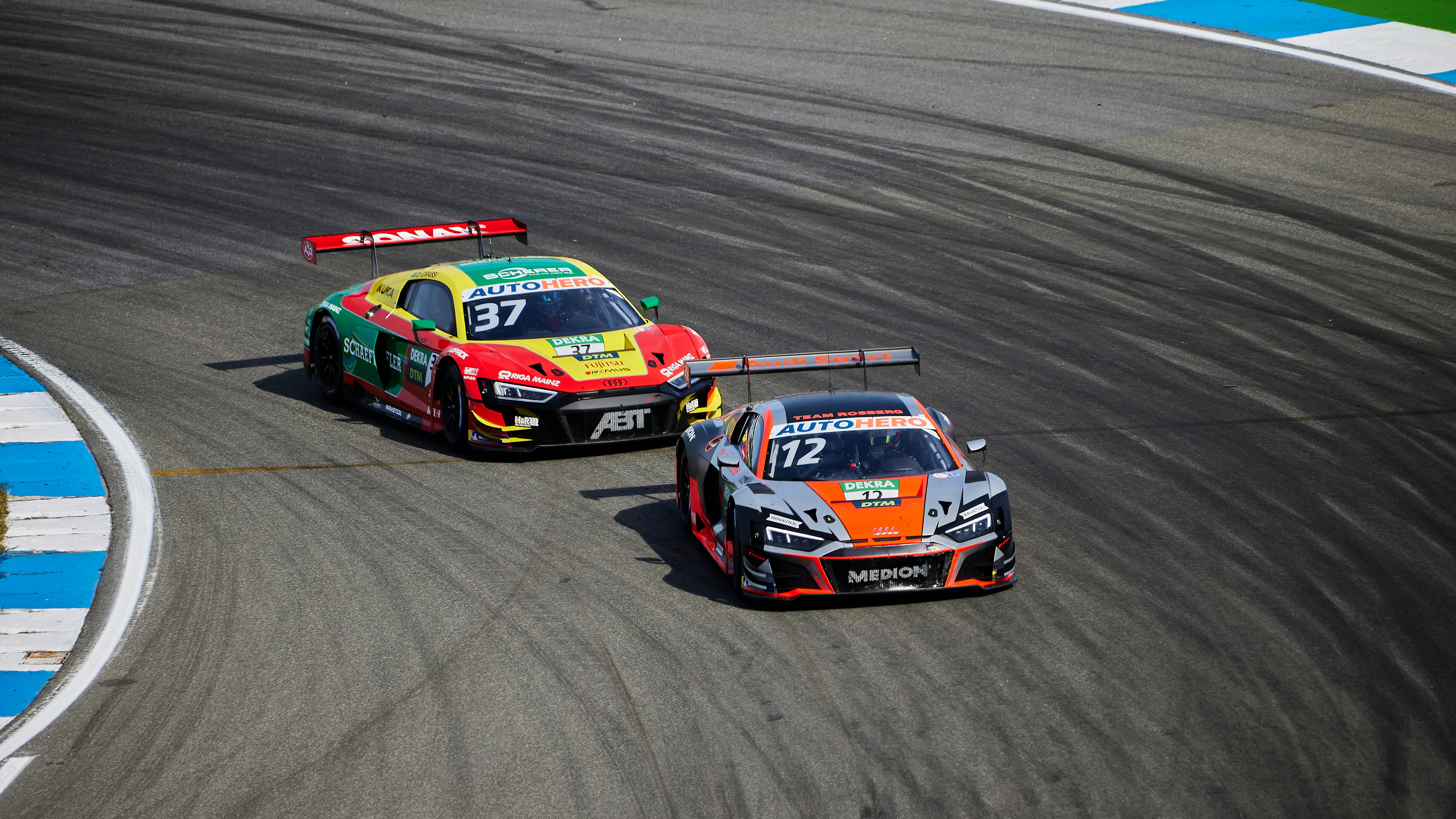
Discover the thrilling world of sustainable motorsport in 2026! From the electrifying action of Formula E and Extreme E to the groundbreaking hydrogen prototypes of WEC, and F1's aggressive net-zero targets, we delve into the eco-friendly innovations redefining racing. Compare top series, explore green motorsport experiences, and learn how to book your tickets for the most exciting, environmentally conscious events shaping the future of speed and spectacle.
Introduction to the Topic
Welcome to 2026, a pivotal year where the roar of engines meets the whisper of sustainability! The world of motorsport, once synonymous with fossil fuels and carbon footprints, has undergone a revolutionary transformation. Far from being a niche movement, sustainable motorsport has exploded into the mainstream, proving that high-octane excitement and environmental responsibility can not only coexist but thrive together. This isn't just about 'going green'; it's about pushing the boundaries of engineering, innovating for a cleaner future, and delivering some of the most competitive and thrilling racing spectacles on the planet. For fans and prospective attendees, 2026 offers an unparalleled array of options to witness this electrifying evolution firsthand. Whether you're looking to book tickets for a global championship or explore sustainable track day experiences, motorscrazy.com is your ultimate guide to navigating the future of speed. Get ready to rev up responsibly and discover a new era where performance and planet align!
Backgrounds & Facts
The journey towards sustainable motorsport has been a long and challenging one, but by 2026, its impact is undeniable. Historically, motorsport faced mounting criticism for its environmental impact, prompting a proactive shift from governing bodies and manufacturers alike. The seeds of change were sown over a decade ago with the introduction of hybrid powertrains in Formula 1 and the World Endurance Championship (WEC), demonstrating initial steps towards efficiency. However, the real game-changer arrived with the launch of Formula E in 2014, establishing the world’s first all-electric single-seater championship. Initially met with skepticism, Formula E quickly gained traction, showcasing intense street racing in iconic global cities and proving the viability of electric propulsion in a competitive setting. Its success paved the way for other innovative series.
By 2026, the landscape is incredibly diverse. Extreme E, launched in 2021, takes electric SUV racing to the planet's most remote and environmentally threatened locations, using motorsport as a platform for climate awareness and scientific research. The logistics alone, involving a floating paddock (the St. Helena), demonstrate an unprecedented commitment to minimizing environmental impact. Meanwhile, the WEC has been a pioneer in showcasing hydrogen technology, with a dedicated hydrogen class firmly on the horizon, promising zero-emission endurance racing at legendary circuits like Le Mans. Prototype hydrogen-powered machines are already demonstrating incredible potential, with manufacturers heavily investing in this alternative fuel source.
Even the pinnacle of motorsport, Formula 1, has committed to ambitious sustainability targets. By 2026, F1 cars will run on 100% sustainable fuels, a groundbreaking move that will see existing combustion engines powered by laboratory-created fuels with significantly reduced carbon footprints, effectively making them carbon neutral. This initiative is not only crucial for F1's own sustainability but also serves as a vital testbed for the wider automotive industry. Beyond these major championships, grassroots motorsport and national series are also adopting sustainable practices, from electric karting to events powered by biofuels, solidifying a global commitment to green racing. The facts are clear: sustainable motorsport is no longer a futuristic concept; it is the vibrant, innovative present, delivering compelling action while driving critical technological advancements.
Expert Opinion / Analysis
“The challenge of sustainability has pushed innovation in motorsport faster than any regulation ever could,” states Dr. Anya Sharma, lead aerodynamicist for a prominent Formula E team. “We’re seeing breakthroughs in battery chemistry, energy management, and material science at a pace that would have been unimaginable a decade ago. It’s a crucible for green technology.” This sentiment is echoed across the paddock, where engineers are tackling unprecedented challenges. For instance, the demand for lighter, more powerful, and faster-charging batteries in Formula E and Extreme E has led to advancements that are directly trickling down into consumer electric vehicles, improving range and charging times for daily drivers. The development of hydrogen fuel cell systems for WEC prototypes, meanwhile, is accelerating research into safe and efficient hydrogen storage and delivery, crucial for a hydrogen economy.
The transition to 100% sustainable fuels in Formula 1 by 2026 presents a different, yet equally significant, set of challenges and opportunities. “Synthetic fuels are a game-changer because they allow us to leverage existing combustion engine infrastructure, making the transition to carbon neutrality more accessible for many,” explains Marcus Thorne, a leading expert in sustainable energy systems. “The performance parity with traditional fossil fuels is astonishing, dispelling any notion that 'green' means 'slow.' Formula 1’s commitment validates sustainable fuels as a viable pathway, not just for racing, but for aviation and heavy transport too.”
Fan reception has also evolved dramatically. Initial concerns about the sound or spectacle of electric racing have largely dissipated as the competitive intensity and technological marvels have become apparent. Social media engagement around sustainable motorsport events is at an all-time high, attracting a younger, more environmentally conscious demographic. Sponsors, keen to align with progressive values, are pouring investment into these series, further accelerating their growth and global reach. This influx of capital and interest ensures that sustainable motorsport is not just a passing trend but a fundamental, economically viable shift. The analysis is clear: sustainable motorsport is a win-win, offering thrilling entertainment while actively contributing to a cleaner, more innovative world.
💰 Best Options in Comparison (VERY IMPORTANT)
For motorsport enthusiasts and eco-conscious adventurers looking to experience the cutting edge of green racing in 2026, the options are more diverse and exciting than ever before. Whether you're planning a thrilling motorsport vacation, looking to book tickets for a specific race, or seeking a hands-on driving experience, here are the top choices:
- Formula E: The Urban Electric Spectacle
Experience the electrifying buzz of Formula E as it brings high-speed, wheel-to-wheel action to the heart of iconic global cities. These street circuits offer incredible accessibility and a festival-like atmosphere, making it perfect for a city break combined with world-class racing. With tickets often including access to the 'Fan Village' where you can interact with drivers and see the latest EV technology, Formula E offers a truly immersive experience. Look out for multi-event packages to maximize your experience across different venues. - Extreme E: Adventure Racing with a Purpose
For those seeking a unique, off-grid adventure, Extreme E delivers. While spectator access at the remote race locations is limited to minimize environmental impact, the series offers unparalleled digital content, behind-the-scenes access, and opportunities to engage with its environmental legacy programs. If you're passionate about environmental causes and cutting-edge off-road EV technology, following Extreme E is a must, and special 'experience packages' might be available for specific events or legacy projects. - WEC (Hydrogen Class): Endurance & Innovation
Witness the future of endurance racing at legendary tracks. The WEC’s burgeoning hydrogen class in 2026 promises groundbreaking technology in the ultimate test of reliability and speed. Attending a WEC event, especially the 24 Hours of Le Mans, is an iconic motorsport pilgrimage. These races offer a deep dive into engineering marvels and a more traditional, yet forward-thinking, racing experience. Booking early for major events is highly recommended, as multi-day passes and camping options sell out fast. - Formula 1 (Sustainable Fuels Era): The Pinnacle Redefined
Formula 1 in 2026 will merge its legendary status with a new era of 100% sustainable fuels. This means all the traditional glamour, speed, and drama, but with a significantly reduced environmental footprint. Grand Prix tickets remain a premium experience, offering unparalleled access to the world's fastest cars and drivers. Consider VIP hospitality packages for an unforgettable weekend at circuits worldwide. This is the ultimate choice for those who want the classic F1 thrill, now with a green conscience. - EV Performance Track Days & Driving Experiences
Beyond spectating, immerse yourself in sustainable performance driving. Numerous companies now offer track days and driving courses featuring high-performance electric vehicles. These experiences allow you to push the limits of EV technology in a safe, controlled environment, often with professional coaching. It's a fantastic way to understand the immediate torque and handling of modern EVs. Search for 'EV track day bookings' or 'sustainable driving experiences' in your region to find local opportunities.
To help you compare and choose your ultimate sustainable motorsport adventure, here's a detailed breakdown:
| Series/Experience | Primary Technology | Key Differentiating Factor | Fan Experience | Avg. Ticket Price (2026 Est.) | Booking/Purchasing Intent |
|---|---|---|---|---|---|
| Formula E | Battery Electric | Urban street racing, close action | Accessible, festival-like atmosphere, Fan Village | $75 - $350 (per race day) | Book Race Tickets, Hospitality Packages |
| Extreme E | Battery Electric | Off-road, remote locations, environmental focus | Digital-first, immersive online content, environmental activism | N/A (Spectator-free at venue) | Event-related merchandise, environmental donations, virtual experiences |
| WEC (Hydrogen Class) | Hydrogen Fuel Cell | Endurance racing, cutting-edge propulsion, iconic tracks | Traditional motorsport experience, technical showcase, multi-day events | $60 - $500 (multi-day pass) | Book Race Tickets, Tour Packages, Camping Passes |
| Formula 1 (Sustainable Fuels) | 100% Sustainable Fuels | Pinnacle of motorsport, global appeal, high-speed drama | Premium, high-octane, celebrity sightings, global travel | $200 - $1500+ (weekend pass) | Book Grand Prix Tickets, VIP Hospitality, Travel Packages |
| EV Performance Track Days | Battery Electric | Hands-on driving experience, skill development | Adrenaline rush, learning opportunity, direct interaction with EV performance | $300 - $1000 (per session/day) | Book Driving Experiences, Coaching Sessions, Gift Vouchers |
Outlook & Trends
Looking beyond 2026, the trajectory for sustainable motorsport is one of continuous innovation and expansion. We can expect to see further advancements in battery technology, with solid-state batteries promising even greater energy density, faster charging times, and reduced weight, making electric racing even more competitive and efficient. Hydrogen infrastructure will continue to develop, not just for racing but for commercial applications, solidifying WEC’s role as a vital testing ground. The 'circular economy' will become increasingly prevalent, with greater emphasis on recycling components, reducing waste, and implementing sustainable logistics across all series.
AI and advanced data analytics will play an even larger role in optimizing energy management strategies during races, pushing the boundaries of efficiency and performance. Furthermore, expect to see a rise in grassroots sustainable motorsport, making eco-friendly racing more accessible at local levels. Fan engagement will evolve with immersive AR/VR experiences, allowing remote spectators to feel closer to the action and interact with sustainable technologies in new ways. Motorsport's role as a testbed for future mobility solutions will only strengthen, influencing the development of next-generation road vehicles. The trend is clear: sustainable motorsport isn't just about reducing emissions; it's about pioneering the future of mobility, inspiring a new generation of engineers and fans, and proving that the pursuit of speed can indeed be a force for good.
Conclusion
By 2026, sustainable motorsport has firmly established itself not as a compromise, but as the thrilling, innovative future of racing. It’s a testament to human ingenuity and a commitment to environmental responsibility, delivering unparalleled excitement while driving critical technological advancements for a cleaner planet. From the urban sprints of Formula E to the endurance tests of WEC’s hydrogen prototypes and F1’s sustainable fuel revolution, there’s an eco-friendly racing experience for every enthusiast. Don't just read about the future of speed – be a part of it! Explore our recommended booking options, compare the diverse offerings, and secure your place at the forefront of green racing. Your next unforgettable motorsport adventure awaits, proving that the fastest way forward is also the greenest. Book your sustainable motorsport experience today and witness history in the making!