
Used car prices are changing again in 2026, and it’s leaving many buyers confused and anxious. One day you hear whispers of deals, the next you see listings climbing. If you’re planning to buy a car this year — whether for your growing family in Lucknow, a daily commute in Delhi, or that dream upgrade — understanding these shifts could save you lakhs.
Here’s the good news: this isn’t random chaos. Clear patterns are emerging, driven by supply shortages, rising new car costs, and changing buyer habits. Let’s break it down so you can make a confident move instead of guessing.
What’s Really Happening with Used Car Prices Right Now?
In early 2026, used car prices have started moving upward again after some stability. In India, the used car market has already crossed $42 billion, growing at a strong pace. Globally, wholesale prices have ticked up, with some segments seeing 2-6% year-over-year increases.
Why the sudden change? Supply remains tighter than expected. Fewer people are trading in new cars because new vehicle prices are still high — often above ₹10-11 lakh for popular models. This means less fresh inventory flowing into the used market.
Demand, on the other hand, stays robust. More middle-class families are choosing pre-owned vehicles to avoid the steep cost of new ones. In Tier-2 and Tier-3 cities, which now drive over 60% of sales, buyers want reliable SUVs and compact cars without breaking the bank.
Did you know? Average transaction values in India have risen, with many buyers now eyeing 1-5 year old cars that feel “almost new” at 30-40% less than fresh-off-the-lot prices.
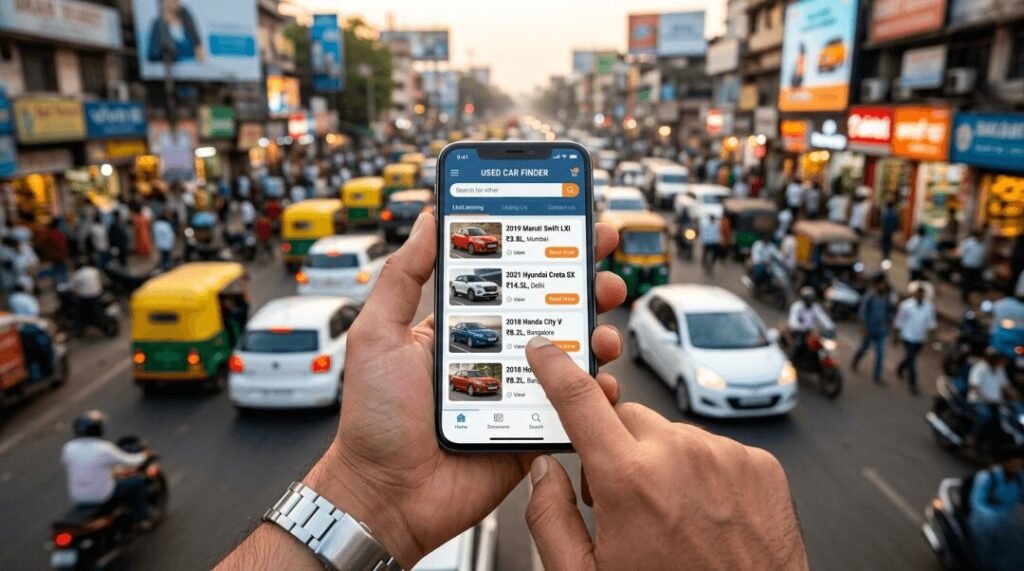
The surprising part? While some categories like luxury or certain SUVs have seen recent upticks, others have softened slightly in recent months. This creates windows of opportunity — but they don’t last long.
Why These Changes Matter to You Right Now
Think about your situation. Fuel prices fluctuate, family needs grow, and that old car is starting to feel unreliable. Delaying a purchase because you’re waiting for a “crash” could backfire.
New car prices have climbed due to stricter emission norms, better features, and manufacturing costs. A decent new hatchback or SUV now costs significantly more than a few years ago. This pushes more people toward used options, keeping demand high and prices supported.
In India, the used-to-new car sales ratio has improved noticeably. Organized platforms and better financing have made buying pre-owned feel safer and more accessible. Credit penetration is rising, especially for vehicles above ₹7 lakh.
Here’s a relatable scenario: Rajesh, a teacher in Lucknow, wanted a compact SUV for weekend family trips. Last month he saw a 2023 model listed at ₹11.5 lakh. He waited, hoping for a dip. This week, similar cars are closer to ₹12.2 lakh. Small difference? Over time, plus interest, it adds up.
The emotional side hits hard too. Buying a car isn’t just transport — it’s freedom, safety for your kids, and pride. Getting it wrong feels awful. Understanding the “why” helps you act with confidence instead of regret.
Key Factors Driving the 2026 Used Car Market
Several forces are at play:
- Tight Inventory: Days’ supply of used cars is low in many markets. Dealers compete harder at auctions, pushing wholesale prices up.
- SUV Boom: Compact and mid-size SUVs dominate demand in India, now over 50% of organized sales. Their popularity keeps prices firm.
- Premiumization Trend: Buyers want better features and younger cars (1-5 years old). This shifts average prices higher while entry-level options in the ₹3-5 lakh range stay competitive but limited.
- Financing and Digitization: Easier loans and online platforms like CARS24 or others have boosted buyer confidence. AI tools even help compare specs quickly.
- Global Ripple Effects: While India has its unique growth story, worldwide trends like off-lease returns and stable (but high) new car prices influence local sentiment.
Rhetorical question: Have you noticed how sedans seem less popular now? Many buyers are upgrading to SUVs even in the used segment, creating uneven price movements across categories.
Real-World Examples: Stories from Buyers Like You
Take Priya from Bengaluru. She bought a 2-year-old Hyundai Creta last year for around ₹10 lakh. Today, a similar model would cost her ₹1-1.5 lakh more. She feels relieved she didn’t wait.
On the flip side, Arjun in Mumbai spotted a well-maintained Maruti Swift in the ₹4.5-5 lakh range. He negotiated well and got it certified. Six months later, he saved on fuel and repairs while enjoying peace of mind.
In smaller cities, the story repeats. Families moving from two-wheelers to their first four-wheeler often find 3-4 year old hatchbacks offering great value. But popular models disappear fast during festive seasons or tax refund periods.
Here’s the surprising part: Some luxury used cars are seeing better deals in Used Car Prices 2026 because depreciation hits harder after 3-5 years. If you’ve always dreamed of a premium ride, this could be your moment — provided you check service history carefully.
Pros and Cons of Buying a Used Car in Today’s Market
Pros:
- Significant savings compared to new (often 30-40% less for recent models).
- Access to better-equipped vehicles you couldn’t afford new.
- Lower depreciation hit — you’re not the first owner losing the biggest chunk of value.
- Growing options with warranties and inspections from organized sellers.
Cons:
- Prices can rise quickly if demand spikes.
- Risk of hidden issues if you skip proper checks.
- Financing rates for Used Car Prices 2026 are sometimes higher than promotional new car offers.
- Limited choice in certain hot segments like low-mileage SUVs.
Weighing these honestly helps. For most Indian buyers, the pros still outweigh the cons — especially if you buy smart.
Future Outlook: What to Expect in the Next 3–6 Months
Over the coming months, expect continued steady demand. India’s used car market is projected to grow strongly, potentially reaching much higher valuations in the years ahead, with SUVs and compact models leading.
Supply might ease slightly if more off-lease or trade-in vehicles enter, but experts don’t foresee a major price crash. New car sales growth remains moderate (around 4-6%), so trade-ins won’t flood the market overnight.
In India, Tier-2 cities will keep driving volume. EV and hybrid used options could gain traction slowly, but petrol and diesel still dominate for now.
Watch for seasonal dips — post-monsoon or certain festive lulls sometimes bring better negotiation room. However, overall trends point to firm or slightly rising prices rather than big drops.
The key takeaway? Waiting endlessly for rock-bottom prices might mean missing good cars at reasonable rates today.
Actionable Tips: What Smart Buyers Should Do Right Now
Ready to take action? Here’s what actually works in 2026:
- Research Thoroughly: Use multiple platforms to compare prices for the exact make, model, year, and variant. Track listings for a week to spot real trends.
- Get It Inspected: Never skip a professional inspection. Check service history, odometer, and get a mechanic’s report. Certified pre-owned programs from reputed brands or platforms add extra safety.
- Negotiate Smartly: Focus on out-the-door price first. Mention competing listings. Be ready to walk away — good deals exist when sellers need to move stock.
- Consider Timing and Location: Shop in cities with higher inventory. Avoid peak demand periods if possible, but don’t delay too long if you find the right car.
- Financing Check: Compare used car loan rates. Sometimes new car promotions look tempting, but calculate total cost of ownership including insurance and maintenance.
- Think Long-Term: Factor in fuel efficiency, parts availability, and resale value. A slightly higher upfront price for a reliable, popular model often pays off.
Ask yourself: What’s my budget really allowing — monthly EMI or total ownership cost? And am I buying for need or status?
One more tip: Document everything. Photos, test drive notes, and inspection reports protect you later.
Common Pitfalls to Avoid When Prices Are Shifting
Don’t chase “too good to be true” deals without verification — they often hide major repairs. Avoid emotional buying; that shiny car might have hidden mileage or accident history.
Another mistake? Ignoring total costs. A cheaper used car with poor fuel economy or frequent repairs can end up costing more than expected.
Finally, rushing without comparing financing options or insurance can add unnecessary thousands.
Conclusion: Make Your Move with Eyes Wide Open
Used car prices changing again doesn’t have to paralyze you. It’s a signal to stay informed, act thoughtfully, and prioritize value over timing the absolute bottom.
In 2026, the market rewards prepared buyers. Whether you’re upgrading for family safety, replacing an old runabout, or finally treating yourself to something nicer, the right used car can deliver years of joy without draining your savings.
Take a deep breath, do your homework, and trust your research. The perfect car for your needs is out there — and with these insights, you’re far better positioned to grab it at a fair price.
What’s stopping you from starting your search today? The market waits for no one, but smart buyers like you can navigate it successfully.
(Word count: approximately 1,720)
FAQs
1. Are used car prices expected to fall in the next few months of 2026? Not significantly. While minor dips can occur seasonally, strong demand and limited supply suggest prices will remain firm or rise modestly. Waiting indefinitely may mean paying more later.
2. Is it better to buy a used SUV or hatchback right now in India? SUVs and compact crossovers are in high demand and hold value well, but they cost more. Hatchbacks in the lower price range often offer better immediate affordability and running costs. Choose based on your family size and usage.
3. How can I get the best deal on a Used Car Prices 2026? Compare prices across platforms, insist on professional inspection, negotiate the final price, and calculate total ownership costs including insurance and fuel. Certified options provide extra peace of mind.
4. Should first-time buyers go for used or new cars this year? Used cars make more sense for most first-time buyers due to lower entry cost and access to better features. Focus on 2-4 year old models with good maintenance records.
5. What documents and checks are must-do before buying a used car? Always verify RC, insurance, service history, and get a third-party inspection. Check for any outstanding loans or accidents via available history reports.


