
switching to electric vehicles 2026, electric vehicles are no longer just for tech enthusiasts or eco-warriors. Regular families, daily commuters in cities like Lucknow, Mumbai, or Delhi, and even long-distance travelers are making the switch. But it’s not always a smooth ride. Many new EV owners share one regret: they wish they’d known a few key truths before signing on the dotted line.
If you’re thinking about going electric this year, you’re not alone. Here’s what’s really driving the change—and the honest insights that could save you time, money, and frustration.
The Big Shift: Why EV Numbers Are Climbing in 2026
Electric vehicle sales keep rising steadily. Globally, millions more EVs hit the roads last year, and India is seeing strong growth too, especially in two-wheelers and three-wheelers. In India, EV registrations have shown consistent year-on-year increases, with penetration moving past early adopter levels.
What’s changed? Prices of batteries have dropped, more affordable models are available, and governments continue supporting the transition through schemes like PM E-DRIVE. Running costs tell a compelling story: electricity is far cheaper than petrol or diesel for most daily use. Many owners report saving significantly on fuel—sometimes cutting costs by 60-70% compared to traditional cars.
But savings aren’t the only pull. Have you ever sat in traffic with the AC on and felt your engine idling noisily? EVs change that completely. They offer instant torque for quick acceleration, a silent cabin, and a smoother overall drive. One driver I spoke to described it as “like upgrading from a bullock cart to a magic carpet—sudden, effortless power without the drama.”
Did you know? Many first-time EV buyers say the driving experience itself becomes addictive. No more gear shifts, no vibration, just pure, responsive motion.
Lower Costs That Actually Add Up Over Time
Let’s talk money—the reason many finally pull the trigger.
Fuel is expensive, and it’s not coming down soon. Charging at home during off-peak hours can cost a fraction of a petrol fill-up for the same distance. Maintenance drops too: no oil changes, fewer brake replacements thanks to regenerative braking, and simpler mechanics overall.
In India, where city traffic is heavy and commutes can eat into budgets, these savings feel real month after month. Add in potential incentives, road tax waivers in some states, and lower insurance for certain models, and the total ownership cost starts looking attractive after 3-4 years.
Here’s the surprising part: some owners calculate they recover the higher upfront price through running cost savings within a few years, especially if they drive regularly.
Yet, not everyone sees instant savings. Those who rely only on public charging sometimes face higher per-km costs. That’s one reason home charging makes such a big difference.
The Joy of Silent, Smooth Driving
Close your eyes and think about your current car. The engine hum, the occasional rattle, the heat inside during summers.
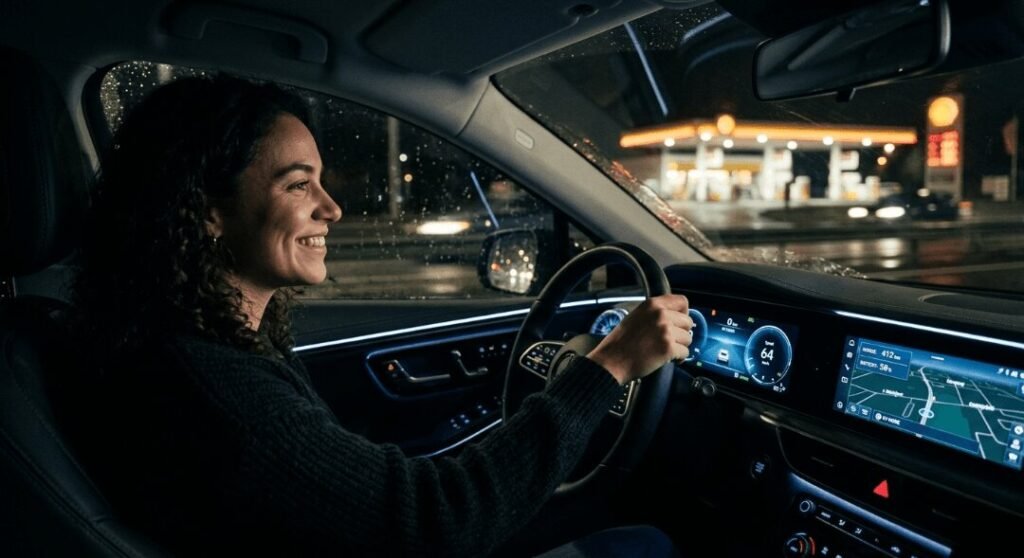
EV owners often mention the quiet as their favorite unexpected benefit. Conversations in the car become easier. Music sounds better. Long drives feel less tiring.
Performance surprises many too. Electric motors deliver full power instantly—no waiting for revs to build. Overtaking on highways or zipping through city gaps becomes effortless and fun.
For families in India, this means calmer rides with kids who no longer complain about noise or smell. One parent shared how her children now look forward to car trips instead of dreading them.
Real Stories from the Road
Take Rahul from Delhi. He switched from a diesel SUV to an electric compact SUV last year. switching to electric vehicles 2026 “I was worried about range for weekend trips to Agra,” he says. “But with home charging, my daily 40 km commute costs almost nothing. And the pickup? My old car feels lazy now.”
In smaller cities like Lucknow, where traffic is chaotic but distances are manageable, two-wheeler and three-wheeler EVs are booming. Delivery riders and auto drivers report earning more because of lower running costs.
These aren’t rare cases. Across India and globally, a large majority of EV owners say they’d choose electric again. The convenience of starting every day with a full “tank” without visiting a fuel station changes daily life.
What New EV Owners Wish They Had Known First
Here comes the honest part—the curiosity gap many articles skip.
Many buyers regret not planning charging properly. If you live in an apartment without dedicated parking or a power point, public charging can become frustrating and expensive. Installing a home charger (where possible) is often the game-changer.
Range anxiety is another big one. Modern EVs offer 200-400+ km on a charge depending on the model, which covers most daily needs. But for long highway trips, you still need to plan stops. Cold weather or heavy AC use can reduce real-world range noticeably.
Depreciation hits some models harder than expected, especially certain early EVs. Battery health matters too—regular software updates and avoiding extreme charging habits help longevity.
Insurance can sometimes cost more initially, and finding specialized service centers outside major cities takes time.
The surprising regret? Underestimating how much they’d miss the sound of an engine at first. But most adapt quickly and never want to go back.
One owner put it bluntly: “I wish I’d test-driven more models and calculated my exact charging setup before buying. The hype made it seem too simple.”
Pros and Cons: A Balanced Look in 2026
Pros:
- Dramatically lower running and maintenance costs
- Smoother, quieter, and more responsive drive
- Zero tailpipe emissions—better air quality in cities
- Home charging convenience (plug in and forget)
- Access to government incentives and policies in India
Cons:
- Higher initial purchase price for many models
- Charging infrastructure still developing, especially on highways
- Range limitations for long, unplanned trips
- Potential battery replacement costs years down the line (though warranties are improving)
- Dependence on electricity quality and grid reliability in some areas
The balance is shifting. As more affordable EVs launch and charging networks expand, the cons feel smaller for many urban and semi-urban drivers.
Charging Reality Check: What’s Improving Now
Charging remains the biggest practical hurdle in India. Public stations are growing, especially in metros and along major corridors, thanks to government pushes under schemes aiming for thousands of new points.
Home charging is ideal for most. A standard wall charger can top up overnight. Faster DC public chargers are becoming more common but can cost more per unit.
switching to electric vehicles 2026, expect continued rollout of charging stations, with focus on highways and high-density areas. Apps now make finding working chargers easier, though reliability can still vary.
Tip: Check your parking situation and daily distance before buying. If most of your driving is under 150 km a day with home access, you’ll likely love it.
Environmental Impact and the Bigger Picture
Many switch partly for cleaner air. EVs produce far lower lifetime emissions than petrol cars, even when accounting for battery production—especially as India’s grid gets greener with more renewables.
In polluted cities, every electric two-wheeler or car helps. It’s not perfect yet, but the direction feels right for families thinking about their children’s future.
Looking Ahead: What to Expect in the Next 3–6 Months
Battery technology keeps improving. More models with longer ranges and faster charging are launching. Prices for entry-level EVs are becoming competitive.
In India, switching to electric vehicles 2026 and beyond should help infrastructure grow. Watch for new affordable options from Indian manufacturers and global players.
Hybrids remain a practical middle step for those not ready for full electric. But for many, pure EVs now make sense if charging fits their lifestyle.
The next few months will likely bring more real-world data on new models, helping buyers make smarter choices.
Actionable Tips Before You Switch
- Calculate your real daily and weekly driving distance.
- Check if you can install home charging—consult an electrician early.
- Test drive multiple EVs, not just one. Feel the difference in real traffic.
- Research battery warranty (8 years or more is common now) and service network in your area.
- Use online calculators for total cost of ownership, including electricity rates in your state.
- Start small if unsure—many begin with an electric scooter or consider a used EV for learning.
Ask yourself: switching to electric vehicles 2026 Does my lifestyle match EV ownership? For city commuters and families with predictable routines, the answer is increasingly yes.
Conclusion
Switching to an electric vehicle in 2026 isn’t about being trendy. It’s about practical benefits that hit your wallet, your daily comfort, and sometimes even your peace of mind.
The drivers making the move aren’t ignoring the challenges—they’re planning around them. They’ve discovered that once charging becomes routine, the joy of silent, responsive driving and lower costs outweigh the old worries.
If you’re on the fence, don’t rush. But don’t dismiss the shift either. Talk to real owners in your city. Sit in a few cars. Run the numbers for your own routine.
The road ahead is changing. For many, it’s leading to a quieter, cheaper, and surprisingly more enjoyable drive. The only question left is whether it’s the right time for you.
What do you think—ready to plug in, or still waiting for that perfect moment? Share your thoughts in the comments. Your experience might help someone else make a smarter choice.
(Word count: approximately 1,720)
FAQs
1. Is 2026 a good year to switch to an electric vehicle in India? Yes, for many drivers. Costs are coming down, more models are available, and charging infrastructure continues expanding. It’s especially good if you have home charging access and mostly drive in the city.
2. How much can I really save by switching to an EV? Savings vary, but many owners report 50-70% lower fuel costs and reduced maintenance. Over 4-5 years, this can add up to significant amounts, depending on your driving habits and electricity rates.
3. What is the biggest challenge when owning an EV in 2026? Charging convenience tops the list. Home charging solves most issues for daily use, but long trips still require planning. Public infrastructure is growing but isn’t perfect everywhere yet.
4. Do EVs have enough range for Indian roads? Most modern EVs offer 200-400 km real-world range, enough for city commutes and many inter-city trips. Plan stops for longer highway journeys, especially in summer with AC running.
5. Should I buy a new EV or consider a used one first? A used EV can be a smart, lower-risk way to experience ownership. Check battery health carefully. New models offer better technology, warranties, and efficiency if your budget allows.


