
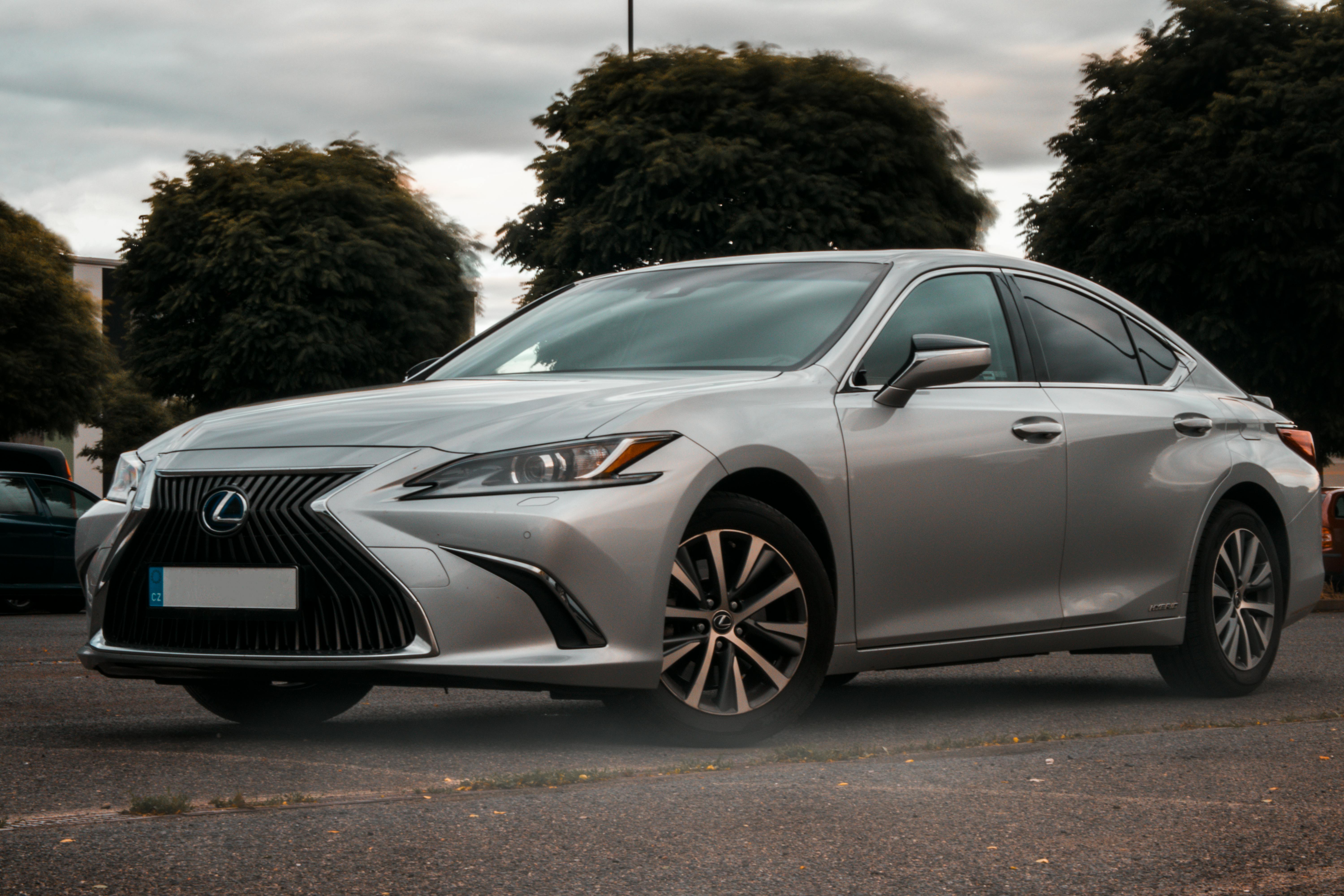
Discover the top hybrid vehicles of 2026, offering unparalleled fuel efficiency, advanced technology, and significant cost savings. Our expert guide compares the best PHEV and full hybrid cars and SUVs, helping you find the perfect eco-friendly ride with maximum MPG and government incentives. Learn how to optimize your purchase for long-term value and reduced emissions.
Introduction to the Topic
Welcome to 2026, where the automotive landscape continues its rapid evolution towards sustainability and efficiency. For years, hybrid vehicles have been a smart choice, but this year marks a pivotal moment. With soaring fuel prices, increasing environmental consciousness, and groundbreaking advancements in battery and powertrain technology, hybrids are no longer just an alternative – they're often the smartest choice for the average driver. At motorscrazy.com, we believe that understanding your options is key to making a wise investment, and 2026's hybrid lineup promises a compelling blend of performance, practicality, and unparalleled savings. Whether you're commuting through city streets, embarking on long road trips, or simply seeking to reduce your carbon footprint, the latest generation of hybrid cars and SUVs offers something for everyone. Forget range anxiety; embrace the best of both worlds with incredible fuel economy and robust performance. This comprehensive guide will navigate the complex world of 2026 hybrid vehicles, helping you unlock massive savings and future-proof your driving experience.
Backgrounds & Facts
The journey of hybrid technology has been one of continuous innovation. From the early mild hybrids of the late 90s to today's sophisticated plug-in hybrid electric vehicles (PHEVs) and advanced full hybrids, the core principle remains: combine an internal combustion engine with an electric motor to optimize efficiency. By 2026, this technology has matured significantly. Mild hybrids (MHEVs) offer a modest boost in fuel economy and assist systems. Full hybrids (HEVs) can drive short distances on electric power alone, significantly improving city MPG. However, it's the PHEVs that truly shine for many, offering substantial electric-only ranges (often 30-60 miles) before the gasoline engine kicks in, effectively transforming daily commutes into zero-emission, zero-fuel journeys for many drivers. The market share for hybrids and PHEVs has steadily climbed, fueled by government incentives, stricter emission standards, and consumer demand for lower running costs. Battery technology has seen exponential improvements, leading to lighter, more powerful, and longer-lasting units. Furthermore, the charging infrastructure for PHEVs has expanded dramatically, making it easier than ever to 'fuel up' at home or public charging stations. Manufacturers are now integrating advanced driver-assistance systems (ADAS) and cutting-edge infotainment into their hybrid offerings, ensuring that choosing a hybrid doesn't mean compromising on luxury or safety. The 2026 models are more powerful, more efficient, and more integrated than ever before, truly setting a new benchmark for sustainable personal transportation.
Expert Opinion / Analysis
“The 2026 hybrid market isn’t just about efficiency; it’s about intelligent design and a seamless user experience,” states Dr. Anya Sharma, a leading automotive analyst. “We’re seeing manufacturers perfect the transition between electric and gasoline power, making it virtually imperceptible. This smooth operation, combined with instant torque from electric motors, translates into a surprisingly engaging driving experience, especially in urban environments.” Dr. Sharma emphasizes the financial argument: “For many drivers, particularly those with a daily commute under 50 miles, a PHEV can drastically reduce, or even eliminate, their weekly fuel stops. Considering the volatile nature of global fuel prices, this offers an unparalleled level of financial predictability and savings. Furthermore, government tax credits and rebates for PHEV purchases remain a significant factor, making the initial investment even more appealing.”
Industry veteran Mark Jenkins, head engineer at a major hybrid component supplier, adds, “Battery degradation, a common concern in earlier models, has been largely addressed. Modern battery management systems and improved cell chemistry mean that a 2026 hybrid battery is designed to last the lifetime of the vehicle, often backed by extensive warranties. This significantly boosts resale value, making hybrids an even smarter long-term investment.” Jenkins also highlights the environmental impact: “While full EVs are the ultimate goal for many, hybrids, especially PHEVs, serve as a critical bridge. They allow drivers to embrace electric mobility without the range anxiety often associated with early EV adoption, reducing overall emissions and paving the way for a fully electric future.” The consensus among experts is clear: 2026 hybrids offer a mature, reliable, and economically compelling solution for a vast segment of the driving public, blending environmental responsibility with everyday practicality and significant cost savings.
💰 Best Options in Comparison (VERY IMPORTANT)
Choosing the best hybrid in 2026 depends on your specific needs, but several models stand out for their blend of efficiency, features, and value. Here's a look at some top contenders that should be on your test-drive list, optimized for maximum MPG and long-term savings:
-
Toyota RAV4 Prime (PHEV SUV)
Still a benchmark in the PHEV SUV segment, the 2026 RAV4 Prime continues its reign with an impressive estimated 42 miles of all-electric range and a combined 94 MPGe. It perfectly blends Toyota's renowned reliability with spirited performance (0-60 mph in around 5.7 seconds) and practical SUV utility. Ideal for families and adventurers who want to minimize gas station visits while retaining the flexibility for longer trips. Its robust AWD system makes it suitable for various terrains, and the interior boasts enhanced connectivity and safety features for 2026, making it a smart investment for eco-conscious buyers.
-
Honda CR-V Hybrid (Full Hybrid SUV)
The 2026 Honda CR-V Hybrid refines an already excellent package, offering a compelling blend of comfort, spaciousness, and efficiency. With an estimated 40 MPG combined, it's a fantastic choice for those who want the fuel savings of a hybrid without the need for plugging in. Honda's smooth hybrid system delivers responsive power and a refined driving experience, perfect for daily commutes and family road trips. The CR-V Hybrid excels in practicality, boasting a cavernous cargo area and a user-friendly infotainment system, making it an incredibly versatile and reliable option for a wide range of drivers looking for a traditional hybrid experience.
-
Hyundai Ioniq 6 Hybrid (PHEV Sedan)
The 2026 Hyundai Ioniq 6 Hybrid (building on the success of its EV sibling) is set to redefine the PHEV sedan category. Expect a sleek, aerodynamic design coupled with an estimated 50+ miles of electric range and an MPGe well over 100. This model targets tech-savvy drivers who appreciate cutting-edge design, advanced connectivity, and exceptional efficiency. Its rapid charging capabilities (for its battery size) and comprehensive warranty make it a formidable contender. The Ioniq 6 Hybrid offers a premium interior experience, making long drives comfortable and connected, all while delivering incredible fuel economy for urban and highway driving alike.
-
Lexus RX 500h (Luxury Full Hybrid SUV)
For those seeking luxury without compromising on efficiency, the 2026 Lexus RX 500h is an unparalleled choice. This performance-oriented full hybrid SUV combines a powerful turbocharged engine with an advanced electric motor, delivering exhilarating acceleration and impressive fuel economy for its class (estimated 28-30 MPG combined). The RX 500h offers a supremely quiet and opulent cabin, packed with the latest in safety technology and premium materials. It's designed for discerning buyers who demand sophisticated styling, refined comfort, and robust performance, all while benefiting from Lexus's legendary reliability and hybrid efficiency, making it a top-tier luxury hybrid SUV.
Here's a clear comparison of these top 2026 hybrid models:
| Model | Type | Est. MPG/MPGe | Electric Range (miles) | Starting Price (Est. 2026) | Key Selling Point |
|---|---|---|---|---|---|
| Toyota RAV4 Prime | PHEV SUV | 94 MPGe / 38 MPG (gas) | 42 | $46,000 | Reliable, powerful, practical PHEV SUV |
| Honda CR-V Hybrid | Full Hybrid SUV | 40 MPG (combined) | ~1 (low-speed EV mode) | $35,000 | Balanced, spacious, and efficient full hybrid |
| Hyundai Ioniq 6 Hybrid | PHEV Sedan | 105+ MPGe / 45 MPG (gas) | 50+ | $42,000 | Sleek design, long EV range, advanced tech |
| Lexus RX 500h | Full Hybrid SUV | 29 MPG (combined) | ~1 (low-speed EV mode) | $65,000 | Luxury, performance, and Lexus reliability |
Prices are estimated for 2026 and may vary based on trim levels, options, and regional incentives. Always check with local dealerships for the most current pricing and financing options. Consider test driving multiple models to find the perfect fit for your lifestyle and budget.
Outlook & Trends
The future of hybrid vehicles in 2026 and beyond looks incredibly promising. We anticipate even more sophisticated powertrain integration, with AI-driven energy management systems that learn driver habits and optimize power delivery for maximum efficiency. Expect lighter, more energy-dense batteries that will further extend electric-only ranges for PHEVs, potentially pushing some models past the 70-mile mark. Solid-state battery technology, while still some years from widespread adoption, could revolutionize hybrid performance and cost-effectiveness in the later part of the decade.
Manufacturers are also focusing on integrating hybrids more seamlessly into a connected ecosystem. Over-the-air (OTA) updates for hybrid systems, predictive maintenance, and enhanced vehicle-to-grid (V2G) capabilities for PHEVs are on the horizon, allowing your car to become part of your home energy solution. Furthermore, as the transition to fully autonomous driving progresses, hybrid powertrains will likely be favored for their extended range and robust power delivery compared to pure EVs for certain applications. Government policies will continue to play a crucial role, with ongoing incentives for low-emission vehicles and investments in charging infrastructure bolstering the appeal of PHEVs. Hybrids will continue to serve as a vital bridge technology, helping consumers gradually transition to electric mobility while offering the convenience and range flexibility that many still desire. The trend is clear: hybrids are getting smarter, more efficient, and more integrated into our digital lives, ensuring their relevance for years to come.
Conclusion
In 2026, the decision to go hybrid is more compelling than ever. With a diverse range of models from efficient full hybrids to long-range PHEVs, there's a perfect match for every driver seeking to reduce their fuel consumption, lower their environmental impact, and enjoy significant long-term savings. The advancements in technology mean that modern hybrids offer a no-compromise driving experience, blending impressive performance with unparalleled fuel economy and cutting-edge features. By choosing a hybrid, you're not just buying a car; you're investing in a smarter, more sustainable future for your personal transportation. Don't miss out on the incredible benefits and incentives available this year. Explore the best hybrid cars and SUVs of 2026, compare their features, and schedule a test drive today to experience the future of driving firsthand. Your wallet and the planet will thank you. Visit motorscrazy.com to find exclusive deals and financing options on the latest hybrid models and make 2026 the year you unlock massive savings!