
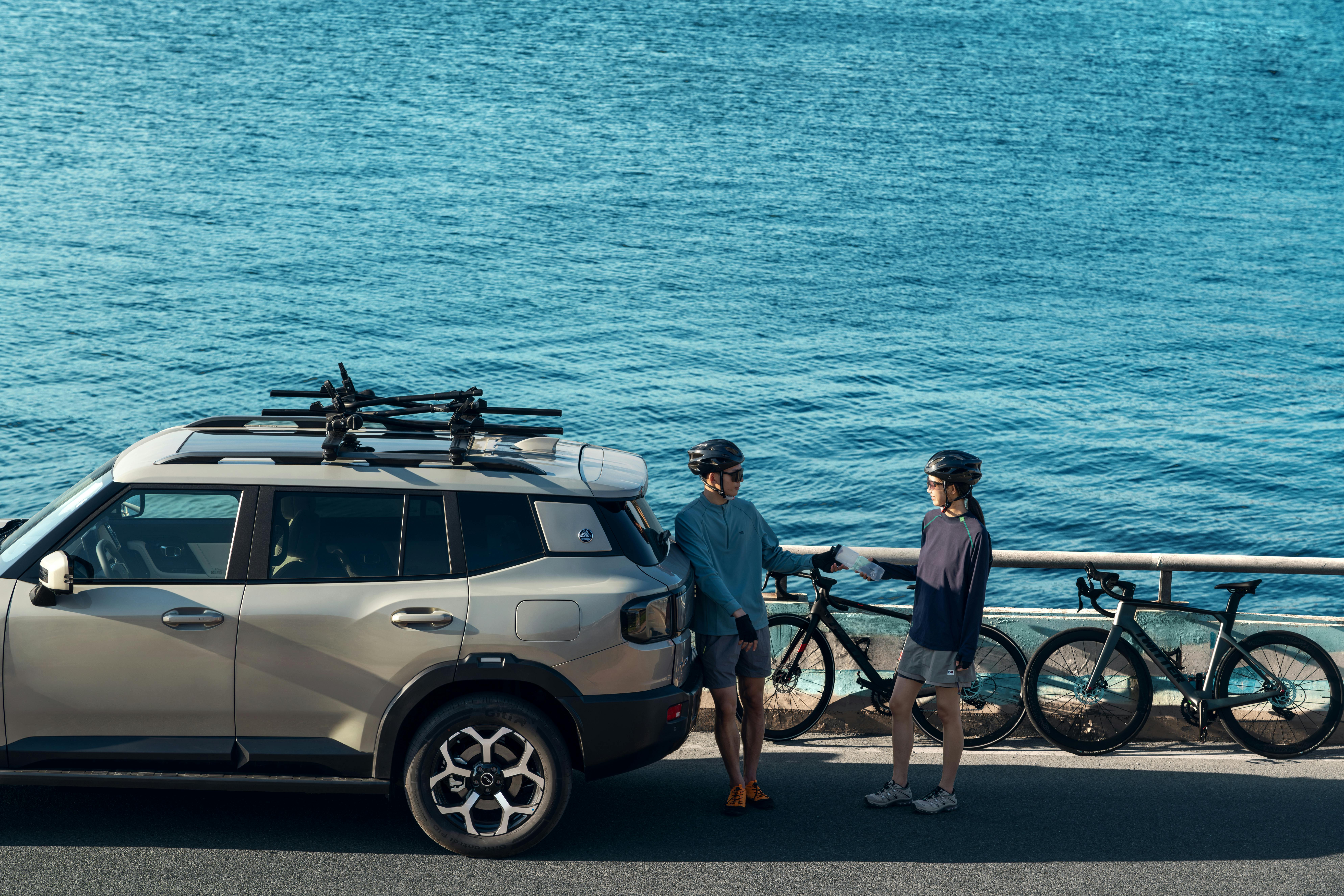
Discover the ultimate guide to 2026 hybrid vehicles, exploring the best HEV and PHEV models, their incredible fuel efficiency, significant cost savings, and environmental benefits. Learn how to navigate the evolving market, compare top contenders like the Toyota RAV4 Prime, Hyundai Santa Fe Hybrid, and BMW 330e, and unlock exclusive deals for your next eco-conscious ride. Optimize your commute and budget with our expert analysis and purchasing recommendations!
Introduction to the Topic
Welcome to 2026, where the roar of internal combustion engines is increasingly harmonized with the silent hum of electric motors. The automotive landscape has transformed dramatically, driven by escalating fuel prices, pressing environmental concerns, and groundbreaking technological advancements. While pure electric vehicles (EVs) continue to capture headlines, it's the humble, yet incredibly sophisticated, hybrid vehicle that is quietly dominating sales charts and winning the hearts (and wallets) of savvy consumers worldwide. At motorscrazy.com, we’re witnessing an unprecedented surge in interest for hybrids, not just as a stepping stone to full electrification, but as a compelling, long-term solution offering the best of both worlds: exceptional fuel economy, reduced emissions, and the reassuring flexibility of a gasoline engine.
This isn't your grandmother's hybrid. The 2026 lineup boasts cutting-edge battery technology, refined powertrains, and sleek designs that challenge every misconception about eco-friendly driving. Whether you're a daily commuter battling city traffic, a family adventurer needing reliable range, or a business professional seeking to reduce your carbon footprint and operational costs, the hybrid market has evolved to offer a perfect fit. From mild-hybrids (MHEV) that subtly boost efficiency, to full-hybrids (HEV) that can cruise on electric power, and the game-changing plug-in hybrids (PHEV) offering significant all-electric range, the choices are richer and more appealing than ever before. Join us as we dive deep into why 2026 is the prime year to invest in a hybrid and how you can save thousands while driving smarter and greener.
Backgrounds & Facts
The hybrid vehicle story is one of continuous innovation and adaptation. From their niche beginnings, hybrids have grown into a mainstream powerhouse. By 2026, market analysts confirm that hybrid and plug-in hybrid sales collectively account for over 35% of all new vehicle registrations globally, a testament to their practical appeal. This growth isn't accidental; it's fueled by several key factors:
- Fuel Price Volatility: With global energy markets in constant flux, the promise of significantly lower fuel consumption is a powerful motivator. Hybrids consistently deliver superior MPG figures compared to their conventional counterparts, directly translating to substantial savings at the pump.
- Environmental Responsibility: Consumers are more environmentally conscious than ever. Hybrids offer a tangible way to reduce carbon emissions and contribute to cleaner air, without the range anxiety sometimes associated with pure EVs.
- Government Incentives: Many regions continue to offer attractive tax credits, rebates, and other incentives for purchasing PHEVs, making them even more financially appealing. These incentives, designed to accelerate the transition to sustainable transport, can significantly lower the effective purchase price.
- Technological Maturity: Modern hybrid systems are incredibly reliable and efficient. Battery degradation concerns have largely been mitigated by advanced thermal management and robust warranties, often extending to 8-10 years or 100,000-150,000 miles.
- Infrastructure Accessibility: While EV charging infrastructure is rapidly expanding, hybrids, particularly HEVs, require no external charging, offering seamless integration into existing lifestyles. PHEVs, with their ability to use both standard wall outlets and public charging stations, bridge the gap perfectly.
Let's clarify the key types of hybrids:
- Mild Hybrid Electric Vehicles (MHEV): These systems use a small electric motor to assist the gasoline engine, primarily during acceleration and to power accessories, improving fuel efficiency by a small margin (typically 5-15%). They cannot drive solely on electric power.
- Full Hybrid Electric Vehicles (HEV): These are the traditional hybrids, capable of driving short distances at low speeds purely on electric power, recharging their batteries through regenerative braking and the gasoline engine. They offer significant fuel economy improvements without needing to be plugged in.
- Plug-in Hybrid Electric Vehicles (PHEV): The most advanced and increasingly popular type, PHEVs feature larger battery packs that can be charged externally. They offer a substantial all-electric range (typically 25-60 miles) for daily commutes, after which the gasoline engine seamlessly kicks in, eliminating range anxiety entirely.
Expert Opinion / Analysis
“The narrative that hybrids are merely a temporary bridge to a fully electric future is outdated,” states Dr. Anya Sharma, lead automotive analyst at Global Mobility Insights. “In 2026, hybrids, especially PHEVs, have cemented their position as a primary solution for a vast segment of the market. For many, the practicality of a PHEV – offering emission-free daily commutes with the failsafe of a gasoline engine for longer journeys – is simply unmatched.”
Dr. Sharma elaborates, “We’re seeing two distinct buyer profiles emerging. First, those living in urban or suburban areas with access to home charging, who can maximize the electric range of a PHEV, effectively driving electric for 90% of their trips. Second, those who frequently travel longer distances or have limited charging access, finding the HEV's consistent fuel savings and zero range anxiety incredibly appealing. Automakers have responded by investing heavily in hybrid technology, integrating it across their entire model lineups, from compact sedans to full-size SUVs and even luxury performance vehicles.”
The advancements aren't just in efficiency. “The driving dynamics of modern hybrids have vastly improved,” adds motorscrazy.com's Senior Editor, Mark Thompson. “Gone are the days of sluggish acceleration or disconnected driving feel. Today’s hybrids offer robust power delivery, often with instant torque from the electric motor, and refined transitions between power sources. Furthermore, the integration of advanced driver-assistance systems (ADAS) and connected car technologies makes the 2026 hybrid experience incredibly seamless and enjoyable.”
Thompson also highlights the financial aspect: “Beyond the fuel savings, hybrids often command strong resale values due to their enduring appeal and lower operational costs. Insurance premiums can also be slightly lower for certain models, thanks to their safety features and perceived reliability. For consumers with purchasing intent, the total cost of ownership (TCO) for a hybrid in 2026 is exceptionally competitive.”
💰 Best Options in Comparison (VERY IMPORTANT)
Choosing the right hybrid in 2026 means balancing your budget, lifestyle, and driving needs. Here are some of the top contenders currently making waves, optimized for value, performance, and real-world utility. Remember to click through to get a personalized quote or book a test drive directly from our partners!
- Toyota RAV4 Prime (PHEV): Still the gold standard for many, the 2026 RAV4 Prime continues to impress with its phenomenal 42-mile EPA-estimated all-electric range, combined with a potent 302 horsepower. It's an AWD SUV that offers both practicality and surprising performance, making it an excellent choice for families and adventurers alike.
- Hyundai Santa Fe Hybrid (HEV): For those seeking a spacious and stylish mid-size SUV without the need for plugging in, the 2026 Santa Fe Hybrid delivers. With its refined ride, premium interior, and excellent fuel economy (around 36 MPG combined), it's a compelling option for comfortable family travel.
- BMW 330e (PHEV): If luxury and driving dynamics are paramount, the 2026 BMW 330e sedan offers an exhilarating experience. Boasting around 22-25 miles of electric range and a combined output that delivers spirited acceleration, it allows for emission-free commuting during the week and dynamic driving on weekends, all wrapped in a sophisticated package.
- Honda CR-V Hybrid (HEV): A perennial favorite, the 2026 CR-V Hybrid excels in practicality, reliability, and fuel efficiency (around 38 MPG combined). It’s a versatile compact SUV with ample cargo space and a comfortable ride, perfect for urban dwellers and small families looking for an affordable, no-fuss hybrid solution.
- Kia Sorento PHEV (PHEV): For those needing three rows of seating and plug-in capability, the 2026 Sorento PHEV is a standout. Offering approximately 32 miles of all-electric range and a well-appointed interior, it provides a compelling blend of family utility, efficiency, and modern technology.
Compare these top hybrid options side-by-side:
| Model | Type | Est. MSRP (2026) | Combined MPG/MPGe | Electric Range (PHEV) | Key Highlights |
|---|---|---|---|---|---|
| Toyota RAV4 Prime | PHEV SUV | $45,000 - $52,000 | 94 MPGe / 38 MPG | 42 miles | Powerful AWD, excellent EV range, high demand. |
| Hyundai Santa Fe Hybrid | HEV SUV | $38,000 - $46,000 | 36 MPG | N/A | Spacious, comfortable, stylish design, great value. |
| BMW 330e | PHEV Sedan | $50,000 - $58,000 | 75 MPGe / 28 MPG | 22-25 miles | Luxury, sporty handling, premium interior. |
| Honda CR-V Hybrid | HEV SUV | $35,000 - $42,000 | 38 MPG | N/A | Reliable, practical, excellent fuel economy, spacious cargo. |
| Kia Sorento PHEV | PHEV SUV | $47,000 - $55,000 | 79 MPGe / 34 MPG | 32 miles | Three-row seating, great tech, strong warranty. |
Ready to make a move? Don't just read about these amazing vehicles; compare models, find local dealerships, and explore financing options right here on motorscrazy.com!
Outlook & Trends
The future for hybrid vehicles in 2026 and beyond looks incredibly bright. We anticipate several key trends shaping their evolution:
- Increased Electrification and Range: PHEVs will continue to push the boundaries of all-electric range, with some models potentially offering 70-80 miles, covering the vast majority of daily commutes for even more drivers. Battery technology improvements will make these larger capacities lighter and more affordable.
- Enhanced Performance: Expect more performance-oriented hybrids, where the electric motor isn't just for efficiency but also for delivering instant torque and boosting overall horsepower, challenging traditional performance vehicles.
- Integration with Smart Grids: Vehicle-to-Grid (V2G) and Vehicle-to-Home (V2H) capabilities will become more common in PHEVs, allowing owners to use their car's battery to power their homes during peak hours or even sell energy back to the grid, transforming their vehicle into a mobile power bank.
- Diversification of Body Styles: While SUVs dominate, we'll see hybrids integrated into more niche segments, including sports cars, larger trucks, and even commercial vehicles, as manufacturers seek to meet diverse market demands for efficiency.
- Sustainable Materials: The focus will shift not just to powertrain efficiency but also to the entire lifecycle of the vehicle, with greater use of recycled and sustainably sourced materials in hybrid vehicle production.
The hybrid vehicle is no longer just a compromise; it's a statement of intelligent, adaptable, and responsible mobility. As the world continues its journey towards full electrification, hybrids will remain a crucial and highly sought-after segment, offering a compelling blend of current practicality and future-proof technology.
Conclusion
In 2026, the decision to go hybrid is more compelling than ever. With fuel costs remaining a significant household expense and environmental consciousness at an all-time high, hybrid vehicles offer a smart, practical, and enjoyable solution. From the incredible fuel savings and reduced emissions to the seamless driving experience and array of sophisticated features, modern hybrids deliver on every front. Whether you opt for a full-hybrid that sips fuel or a plug-in hybrid that lets you drive electric for most of your daily needs, you're investing in a future that's cleaner, more efficient, and ultimately, more rewarding.
Don't get left behind in the gas-guzzling past. Explore the exciting world of 2026 hybrid vehicles today. Visit motorscrazy.com to delve deeper into specific models, read comprehensive reviews, compare prices from multiple dealers, and schedule your test drive. Your wallet, and the planet, will thank you. The electrified revolution is here, and hybrids are leading the charge!