
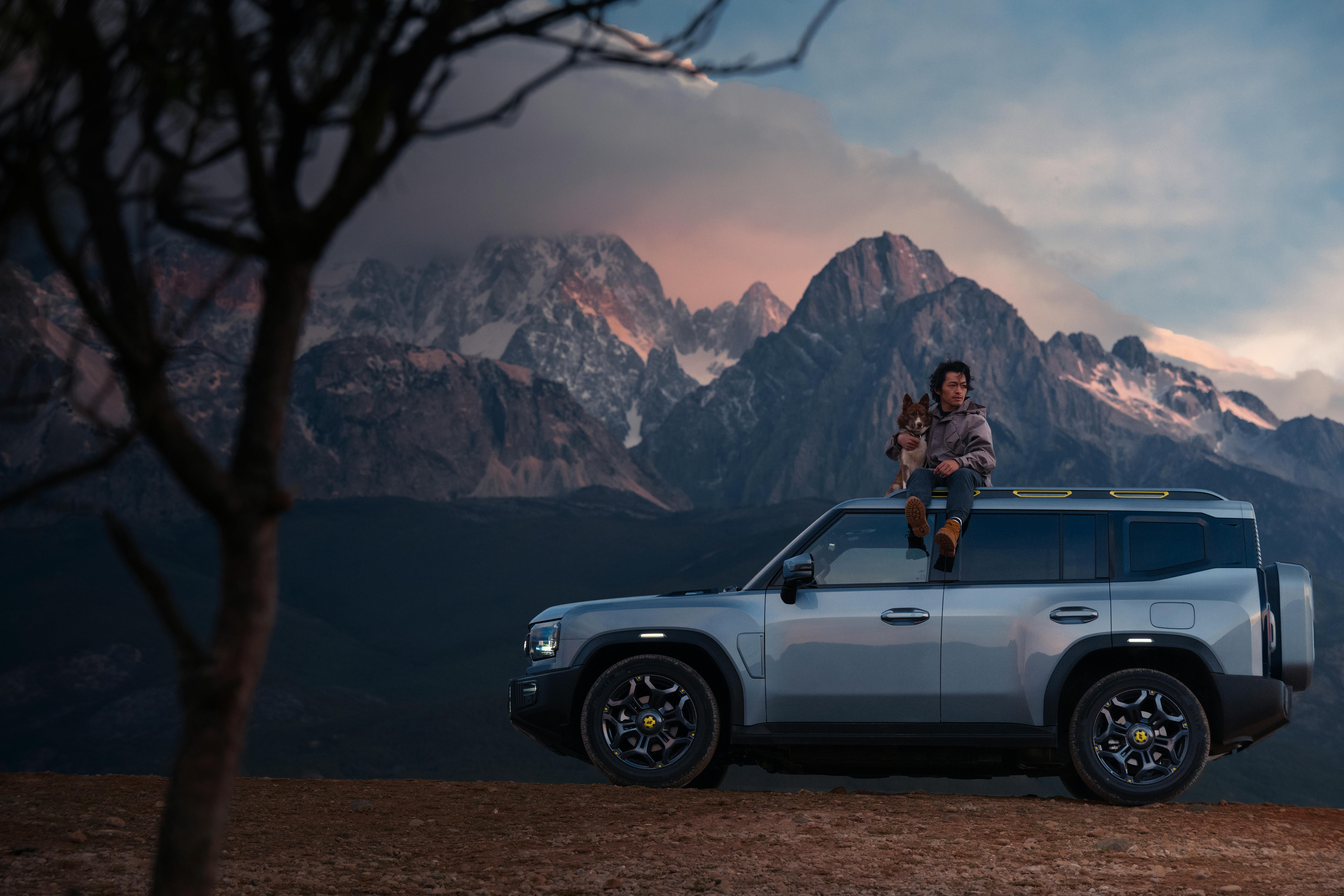
The future of heavy-duty hauling and family adventures is electric! In 2026, the market for electric trucks and SUVs has exploded, offering unparalleled power, impressive range, and smart tech. This comprehensive motorscrazy.com guide compares the top EV trucks and SUVs, focusing on towing capacity, battery range, charging infrastructure, and total cost of ownership, helping you make the smartest purchase decision for your next electrified powerhouse.
Introduction to the Topic
Welcome to 2026, where the rumble of a V8 is increasingly replaced by the silent, instantaneous surge of electric torque. What once seemed like a futuristic dream is now a vibrant reality: electric trucks and SUVs dominate headlines and dealership lots. For years, skepticism surrounded the capability of EVs to handle the demands of heavy-duty work or long-haul family trips. Range anxiety, towing limitations, and charging infrastructure concerns were valid hurdles. However, the landscape has dramatically shifted. Today, the leading electric trucks and SUVs not only match their gasoline counterparts in performance and utility but often surpass them, offering staggering acceleration, impressive towing capacities, and increasingly competitive ranges.
At motorscrazy.com, we understand that for many, a truck or SUV isn't just a vehicle; it's a vital tool for work, an adventure companion, or the backbone of family transport. The decision to go electric is a significant one, fraught with questions about long-term value, real-world practicality, and technological reliability. This in-depth guide is designed to cut through the noise, providing you with a clear, expert-backed comparison of the best electric trucks and SUVs available in 2026. We’ll delve into their capabilities, assess their value, and help you navigate the exciting, electrified future of automotive.
Backgrounds & Facts
The journey to the electrified truck and SUV market of 2026 has been nothing short of revolutionary. Early pioneers like the Ford F-150 Lightning and Rivian R1T, along with the controversial Tesla Cybertruck, laid the groundwork, proving that electric powertrains could indeed deliver the raw power and utility demanded by truck and SUV buyers. These initial models faced steep learning curves, particularly concerning battery efficiency under load and the sparse charging infrastructure.
Fast forward to 2026, and the industry has matured exponentially. Battery technology has seen significant advancements, with energy density increasing and charging speeds reaching unprecedented levels. Many new models now feature 800-volt architectures, enabling ultra-fast charging that can add hundreds of miles of range in mere minutes – a game-changer for long trips. The charging network, too, has expanded dramatically. Major charging providers have densified their networks, making cross-country travel in an EV truck or SUV a viable and stress-free option. Furthermore, government incentives, while evolving, continue to play a role in making these vehicles more accessible, alongside a growing understanding of the lower total cost of ownership (TCO) thanks to reduced fuel and maintenance expenses.
Consumer trends have also shifted. What began as a niche market for early adopters has blossomed into mainstream acceptance. Buyers are increasingly prioritizing sustainability, lower running costs, and the superior driving dynamics offered by electric vehicles. The demand for rugged, capable, yet environmentally conscious vehicles has propelled manufacturers to innovate at an astonishing pace, leading to the diverse and highly competitive market we see today.
Expert Opinion / Analysis
The electrification of trucks and SUVs represents one of the most significant paradigm shifts in automotive history. According to Dr. Anya Sharma, a leading automotive analyst at GreenDrive Insights, "By 2026, the 'range anxiety' narrative has largely faded for most consumers, replaced by a focus on practical charging solutions and the sheer performance advantages of EVs. The industry's rapid adoption of standardized charging protocols and the expansion of reliable fast-charging networks have been critical."
Our experts at motorscrazy.com agree that while the upfront cost of some premium EV trucks and SUVs can still be higher than their ICE counterparts, the long-term financial benefits are compelling. "Consider the total cost of ownership over five to seven years," advises Mark Thompson, motorscrazy.com's senior editor. "Reduced fuel costs – especially with home charging – minimal routine maintenance like oil changes, and potential tax credits or incentives significantly offset the initial price tag. Plus, the resale value of well-maintained EVs is proving to be robust."
However, challenges remain. The strain on electrical grids, particularly in regions with high EV adoption, is a growing concern, though smart charging solutions and vehicle-to-grid (V2G) technology are beginning to offer promising answers. Raw material sourcing for batteries also presents an ethical and logistical hurdle that manufacturers are actively addressing through recycling programs and sustainable mining practices. From a utility perspective, towing heavy loads in extreme temperatures still impacts range more significantly than in ideal conditions, but battery thermal management systems are continually improving to mitigate this.
Looking ahead, industry analysts predict that by the end of the decade, solid-state batteries will begin to enter mass production, promising even greater energy density, faster charging, and enhanced safety. We also anticipate Level 3 and even Level 4 autonomous driving features becoming more common in premium electric trucks and SUVs, transforming the driving experience into a more relaxed and productive journey.
💰 Best Options in Comparison (VERY IMPORTANT)
Choosing the right electric truck or SUV in 2026 means weighing performance against practicality, luxury against utility, and range against charging speed. Here are some of the standout models making waves:
- Ford F-150 Lightning (2026 Extended Range Model): Still a dominant force, the 2026 Lightning refines its formula with enhanced battery tech, slightly improved range, and updated Pro Power Onboard capabilities. It remains a workhorse first, offering incredible utility and a familiar form factor for traditional truck buyers.
- Chevrolet Silverado EV RST (2026 Model): GM's Ultium platform shines in the Silverado EV. The RST trim, with its adaptive air suspension and four-wheel steering, offers a premium experience with incredible power and versatility, making it a formidable competitor to Ford.
- Ram 1500 REV Tungsten (2026 Model): Ram enters the fray with a strong contender, focusing on luxury and innovative storage solutions. The Tungsten trim promises an opulent interior, class-leading range (especially with the range-extended option), and robust towing, appealing to those who want capability without compromise on comfort.
- Rivian R1T (2026 Adventure Package): The adventure segment's darling, the R1T continues to evolve. The 2026 model boasts improved efficiency, refined off-road capabilities, and an even more luxurious, tech-forward interior. It's built for exploration, offering impressive performance on and off the pavement.
- Kia EV9 GT (2026 Model): Representing the burgeoning electric SUV market, the EV9 GT combines striking design with practical family utility. Its 800V architecture ensures rapid charging, while the GT trim delivers surprising performance for a three-row SUV, making it a compelling option for eco-conscious families.
Comparison Table: Top Electric Trucks & SUVs (2026 Estimates)
| Model | Est. Range (miles) | Max Towing (lbs) | 0-60 MPH (sec) | Est. Price (USD) | Key Features |
|---|---|---|---|---|---|
| Ford F-150 Lightning (2026 ER) | 340-360 | 10,500 | 4.0-4.5 | $70,000 - $95,000 | Pro Power Onboard, Frunk, Familiar Truck Feel |
| Chevrolet Silverado EV RST (2026) | 400-420 | 10,000 | 4.0-4.5 | $85,000 - $105,000 | Multi-Flex Midgate, Four-Wheel Steer, Adaptive Air Suspension |
| Ram 1500 REV Tungsten (2026) | 500-520 (ER) | 14,000 | 4.0-4.5 | $90,000 - $110,000 | Luxury Interior, Power Frunk, Class-Leading Towing |
| Rivian R1T (2026 Adventure) | 380-400 | 11,000 | 3.0-3.5 | $80,000 - $100,000 | Gear Tunnel, Air Suspension, Off-Road Focus, Quad-Motor Option |
| Kia EV9 GT (2026) | 320-350 | 5,500 | 4.5-5.0 | $75,000 - $90,000 | 3-Row Seating, 800V Fast Charging, Distinctive Styling |
Outlook & Trends
The future of electric trucks and SUVs beyond 2026 promises even more exhilarating advancements. We anticipate a continued drive towards greater efficiency and range, with breakthroughs in battery chemistry and manufacturing processes. Solid-state batteries, while still in advanced development, could begin to appear in niche or premium models by the late 2020s, offering revolutionary improvements in energy density, charging speed, and safety.
Vehicle-to-Grid (V2G) and Vehicle-to-Home (V2H) capabilities are set to become standard features, transforming these powerful batteries into mobile energy storage units that can power your home during outages or even feed energy back to the grid for financial benefits. This integration of EVs into the broader energy ecosystem will be a major trend, enhancing their value proposition beyond mere transportation.
Furthermore, the market will likely diversify with more specialized electric trucks, including medium-duty commercial vehicles and purpose-built off-roaders from emerging brands. Autonomous driving technology will also continue its march forward, with Level 3 "hands-off, eyes-on" systems becoming commonplace, and Level 4 "mind-off" capabilities tested in limited operational design domains. The focus will shift from just getting from A to B, to an integrated, intelligent, and sustainable mobility experience.
The charging infrastructure will continue its rapid expansion, with more reliable, faster, and universally compatible charging stations. The competition among charging providers will drive down costs and improve user experience, solidifying the convenience of electric travel. The overall impact on the automotive industry will be profound, accelerating the decline of traditional internal combustion engine vehicles and cementing the electric truck and SUV as the vehicle of choice for a new generation of drivers.
Conclusion
The year 2026 marks a pivotal moment in the evolution of electric trucks and SUVs. What began as a nascent segment has matured into a powerhouse of innovation, offering unparalleled performance, impressive utility, and a clear path towards sustainable mobility. From the rugged workhorse capabilities of the Ford F-150 Lightning and Chevrolet Silverado EV to the luxurious adventure-ready Rivian R1T and the family-focused Kia EV9, there's an electric option perfectly tailored for every need and lifestyle.
The decision to invest in an electric truck or SUV today isn't just about embracing the future; it's about making a smart, practical choice for your immediate needs. With advancing battery technology, expanding charging networks, and compelling total cost of ownership benefits, the reasons to go electric have never been stronger. Whether you're hauling equipment, towing a camper, or simply navigating daily life with a large family, these electrified giants offer a compelling blend of power, efficiency, and cutting-edge technology.
Don't just read about the revolution – drive it. Explore the models, compare the specs, and experience the silent surge of power that defines the next generation of vehicles. Your next adventure, or your next big job, awaits, fully charged and ready to go. For in-depth reviews, personalized recommendations, and to find the best deals on these incredible machines, visit motorscrazy.com today and book your test drive!