
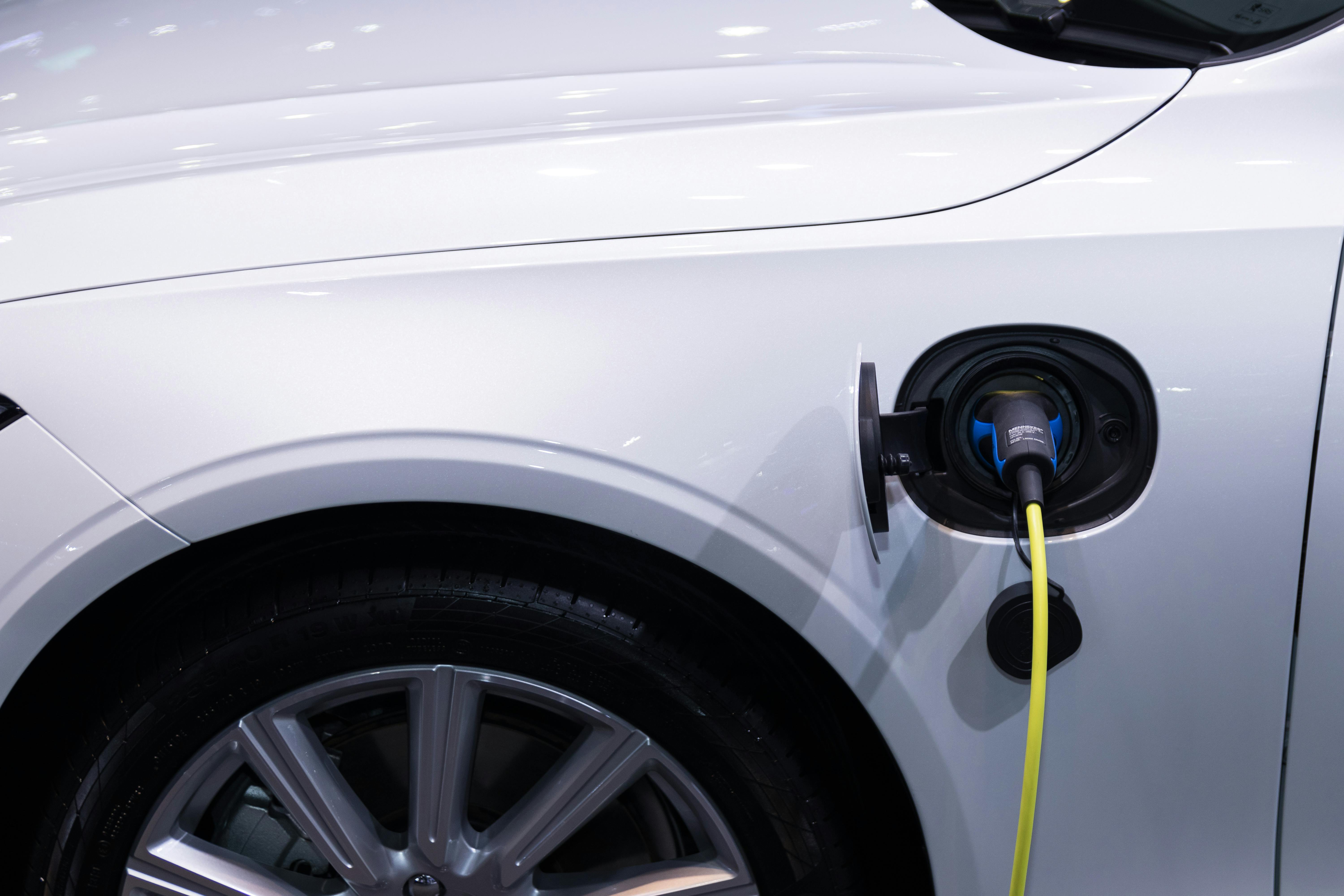
The electric vehicle market in 2026 is buzzing with the promise of solid-state batteries. Offering incredible range, lightning-fast charging, and superior safety, this next-generation EV battery technology could redefine your driving experience. But with current lithium-ion EVs more advanced and accessible than ever, should you invest in an electric car now, or hold out for the solid-state revolution? Dive into our comprehensive guide to make the smartest purchasing decision for your next EV.
Introduction to the Topic
Welcome to 2026, where the automotive landscape is shifting faster than ever. For years, solid-state batteries have been the holy grail of electric vehicle development – a promised land of unprecedented range, instant recharging, and absolute safety, free from the thermal runaway risks associated with traditional lithium-ion cells. The whispers have grown into a roar, and now, major manufacturers are finally bringing this transformative technology to the cusp of mass production. But what does this mean for you, the discerning EV buyer? Is 2026 the year to embrace the solid-state future, or are the current crop of lithium-ion powered electric cars still the best investment?
At motorscrazy.com, we're cutting through the hype to give you the unvarnished truth. This article will equip you with all the knowledge needed to navigate the evolving EV market, understand the real-world implications of solid-state batteries, and ultimately decide whether to 'buy now' or 'wait and see' for your next electric vehicle purchase. Prepare to future-proof your EV investment!
Backgrounds & Facts
For decades, lithium-ion (Li-ion) batteries have powered everything from smartphones to electric cars, offering a reliable balance of energy density and power output. However, their liquid electrolyte is flammable, susceptible to dendrite formation over time, and limits potential energy density improvements. Enter solid-state batteries (SSBs): a revolutionary leap forward. Instead of a liquid or gel electrolyte, SSBs utilize a solid material – ceramic, glass, or polymer – to conduct ions between the electrodes. This fundamental change unlocks a cascade of benefits.
Firstly, safety is dramatically enhanced. Without a flammable liquid, the risk of thermal runaway and fire is significantly reduced, making SSBs inherently safer. Secondly, energy density skyrockets. Solid electrolytes allow for the use of lithium metal anodes, which can store far more energy per unit of weight and volume than the graphite anodes in Li-ion batteries. This translates directly into extended driving ranges – we're talking 500+ miles on a single charge becoming commonplace. Thirdly, charging speeds are poised for a monumental leap. The stable solid electrolyte can withstand much higher current densities, enabling charging from 10% to 80% in as little as 10-15 minutes, rivaling a traditional fuel stop. Finally, solid-state batteries promise a longer lifespan, with less degradation over thousands of charge cycles, and better performance in extreme temperatures.
Leading the charge are automotive giants like Toyota, which has long been a pioneer, alongside startups like QuantumScape and Solid Power, backed by Volkswagen and BMW respectively. Chinese battery behemoths like CATL and BYD are also making significant strides, with several pilot lines operational and limited production vehicles expected to hit specific markets by late 2026. The technology is no longer theoretical; it's tangible, albeit still in its nascent stages of commercialization for mainstream EVs.
Expert Opinion / Analysis
We sat down with Dr. Elena Petrova, a leading battery materials scientist and consultant for several top automotive OEMs, to get her take on the solid-state battery landscape in 2026. "The hype is absolutely justified, but the reality check is crucial," Dr. Petrova explains. "While solid-state batteries offer undeniable advantages, scaling production to meet global EV demand is an enormous challenge. We're seeing initial deployments in premium, lower-volume vehicles first, acting as a proving ground for the technology."
According to Dr. Petrova, the primary hurdles remain manufacturing cost and cycle stability under real-world conditions. "Achieving the purity and uniformity required for solid electrolytes at a cost competitive with lithium-ion is difficult. Furthermore, the interface between the solid electrolyte and the electrodes is critical; maintaining stability over thousands of rapid charge-discharge cycles, especially in varying temperatures, is where the engineering truly gets tested. Companies are getting there, but it's a marathon, not a sprint."
Her advice to consumers in 2026? "If you need an EV now, the current generation of lithium-ion vehicles are incredibly capable, offering ranges well over 300 miles and increasingly fast charging. Don't delay your transition to electric if a current model meets your needs. However, if you're a tech enthusiast with a flexible timeline and a premium budget, waiting until late 2027 or early 2028 might put you in the driver's seat of a truly revolutionary solid-state EV. The initial solid-state models will carry a price premium, reflecting the R&D and manufacturing complexities."
💰 Best Options in Comparison (VERY IMPORTANT)
The core dilemma for any EV buyer in 2026 is whether to embrace the proven excellence of current lithium-ion technology or hold out for the solid-state revolution. To help you decide, we've compared some of the best EVs available now with the anticipated performance of first-generation solid-state vehicles expected to hit broader markets in the coming years. This isn't just about specs; it's about value, availability, and future-proofing your purchase.
Option 1: Top-Tier Lithium-Ion EVs (Available Now, Early 2026)
- Tesla Model 3 Long Range (2026 refresh): A perennial favorite, offering exceptional software integration, a vast Supercharger network, and a healthy 340+ miles of range. Its battery tech is refined and reliable, with impressive charging speeds.
- Hyundai IONIQ 6 (2026 model): Known for its striking aerodynamic design, ultra-fast 800V architecture enabling 18-minute 10-80% charging, and a comfortable, tech-rich interior. Range is typically 300-320 miles.
- Porsche Taycan 4S (2026 update): For performance enthusiasts, the Taycan offers exhilarating driving dynamics and rapid charging. While its range might be slightly less than some competitors (250-280 miles), its build quality and driving experience are second to none.
Option 2: Anticipated Solid-State EV Pioneers (Late 2026 - 2028)
- Toyota bZSS (Concept name, expected production late 2026/early 2027): Toyota is poised to launch a limited-production solid-state EV, likely a premium SUV or sedan, focusing on demonstrating enhanced range (450+ miles) and significantly faster charging (10-80% in under 15 minutes).
- Volkswagen ID.X Solid (Concept name, expected 2027/2028): Leveraging Solid Power's technology, VW aims to introduce solid-state tech into its popular ID. family, promising over 400 miles of range and superior safety features, targeting a broader market segment.
- QuantumScape-powered Luxury EV (Partnership dependent, 2027/2028): While not a specific model, QuantumScape's technology is expected to debut in a high-end luxury vehicle from a partner OEM (like Volkswagen Group), showcasing extreme energy density and ultra-fast charging capabilities.
Here's a comparison table to help you weigh your options:
| Feature | Current Top Li-ion EVs (e.g., Tesla Model 3 LR, IONIQ 6) | Anticipated Solid-State EVs (2026-2028 Pioneers) |
|---|---|---|
| Availability | Immediately (Early 2026) | Limited availability (Late 2026), broader rollout (2027-2028) |
| Typical Range | 280 - 340+ miles (EPA Est.) | 400 - 500+ miles (Projected) |
| Fast Charging (10-80%) | 18 - 30 minutes | 10 - 15 minutes (Projected) |
| Safety Profile | Very High (with advanced BMS), low thermal runaway risk | Potentially Higher (no flammable liquid electrolyte) |
| Battery Lifespan | Excellent (8-10 years warranty typical) | Projected to be longer with less degradation |
| Purchase Price | Competitive, broad range of options ($40k - $100k+) | Likely Premium (initial models $70k - $120k+) |
| Infrastructure Impact | Well-established global charging networks | Benefits from existing infrastructure; ultra-fast charging stations will be even more efficient |
Outlook & Trends
The advent of solid-state batteries will not just improve individual EVs; it will reshape the entire electric vehicle ecosystem. We predict several key trends emerging from 2026 onwards. Firstly, the 'range anxiety' narrative will finally be laid to rest, opening up EVs to a much broader demographic, particularly those who frequently undertake long journeys. This could significantly accelerate EV adoption rates globally. Secondly, the rapid charging capabilities will put less strain on public charging infrastructure, as vehicles spend less time plugged in, effectively increasing charger throughput.
Thirdly, expect to see new vehicle segments emerge. Lighter, more compact battery packs will allow for more flexible vehicle designs, potentially leading to ultra-efficient urban runabouts with incredible range or performance vehicles that shed significant weight. The commercial vehicle sector, including electric trucks and buses, stands to benefit immensely from the increased energy density and safety, making long-haul electric transportation far more viable. Lastly, the second-hand EV market will mature, with early Li-ion EVs maintaining strong residual values due to their proven reliability, while future solid-state models will set new benchmarks for longevity and performance.
However, the transition won't be without challenges. Material sourcing for solid electrolytes and lithium metal anodes will become a critical focus, driving innovation in sustainable mining and recycling. The initial higher cost of solid-state cells will also necessitate government incentives and manufacturing efficiencies to bring them to price parity with advanced Li-ion batteries.
Conclusion
In 2026, the electric vehicle market stands at an exhilarating crossroads. Solid-state batteries represent a genuine paradigm shift, promising to deliver on the EV's full potential for range, speed, and safety. Yet, the current generation of lithium-ion electric vehicles are more refined, capable, and accessible than ever before, offering compelling reasons to buy an EV today.
If you're in immediate need of a new vehicle and want to embrace sustainable driving without compromise, a top-tier lithium-ion EV offers excellent value, impressive performance, and a robust charging ecosystem. You'll be getting a fantastic vehicle that will serve you well for many years. However, if you have the flexibility to wait, prioritize cutting-edge technology, and are prepared for a potentially higher initial investment, holding out for the first wave of solid-state EVs in late 2026 or 2027 could put you at the forefront of automotive innovation. Whichever path you choose, the future of driving is undeniably electric, and it's looking brighter than ever.