
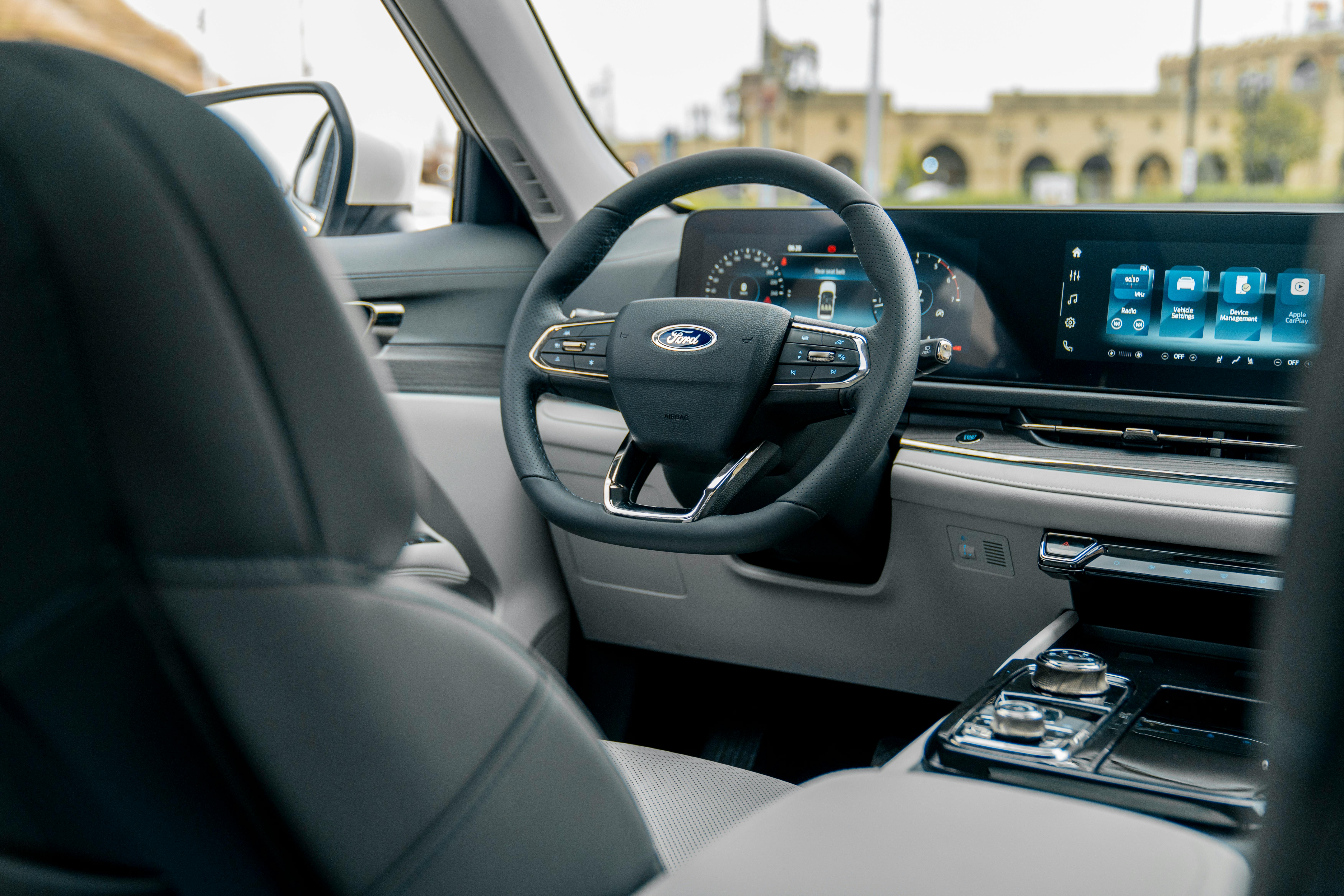
Discover how Vehicle-to-Grid (V2G) technology is transforming electric vehicle (EV) ownership in 2026, offering unprecedented home energy savings, power outage resilience, and smart grid integration. Learn about the best V2G-compatible EVs, bidirectional chargers, and energy management systems to slash your electricity bills and achieve true energy independence.
Introduction to the Topic
Welcome to 2026, where your electric vehicle isn't just a mode of transport; it's a dynamic, mobile power plant for your home. The promise of Vehicle-to-Grid (V2G) technology, once a futuristic concept, has now become a tangible reality, poised to redefine how we interact with our energy grids and manage our household electricity. For years, EV owners have enjoyed cleaner commutes and reduced fuel costs, but the next frontier is about turning your EV's powerful battery into an active participant in your home's energy ecosystem. Imagine your car not only charging efficiently but also intelligently discharging power back to your home during peak hours, during a blackout, or even selling surplus electricity back to the grid for a profit. This isn't just about convenience; it's about significant financial savings, enhanced energy security, and a crucial step towards a truly sustainable, decentralized energy future. If you own an EV or are considering purchasing one, understanding V2G is no longer optional – it's essential for maximizing your investment and embracing the ultimate in smart home energy management.
Backgrounds & Facts
Vehicle-to-Grid (V2G) technology is a sophisticated form of bidirectional charging that allows electricity to flow not just from the grid to an electric vehicle (V1G), but also from the EV's battery back to a home (Vehicle-to-Home, V2H), a building (Vehicle-to-Building, V2B), or directly to the wider electrical grid (V2G). The core principle leverages the massive energy storage capacity of EV batteries, which, for 95% of their lifespan, remain parked. Instead of sitting idle, V2G enables these batteries to act as flexible energy reservoirs, absorbing excess renewable energy (like solar or wind) when it's abundant and cheap, and then releasing it when demand is high, or prices spike.
By 2026, the global push for decarbonization and grid modernization has accelerated V2G adoption. Governments and utilities are actively incentivizing V2G integration to enhance grid stability, reduce reliance on fossil fuel 'peaker plants,' and smooth out the intermittency of renewable energy sources. The average EV battery pack, ranging from 40 kWh to over 100 kWh, can power a typical home for several days. With millions of EVs projected to be on the roads, their collective storage potential far surpasses traditional stationary battery storage solutions. Early pioneers like the Nissan LEAF demonstrated V2G capabilities years ago, primarily in pilot projects in Europe and Japan. However, in 2026, advancements in charging infrastructure, standardized communication protocols (like ISO 15118-20 for Plug & Charge and bidirectional power flow), and more sophisticated home energy management systems have made V2G a mainstream reality. The market is seeing a surge in V2G-compatible EVs and home charging stations, moving beyond mere Vehicle-to-Load (V2L) functionalities (like powering tools or small appliances) to full-fledged grid interaction. This evolution means real-time energy arbitrage, where your EV intelligently buys low and sells high, directly impacting your monthly electricity bill and contributing to a more resilient, greener power grid.
Expert Opinion / Analysis
“The transition from EVs as mere consumers to active prosumers is the most significant shift we’ve seen in automotive energy in decades,” states Dr. Anya Sharma, lead automotive energy analyst at GridTech Solutions. “In 2026, V2G is no longer a niche concept; it’s a critical component of smart city infrastructure and personal energy independence. We’re seeing a rapid maturation of the technology, driven by consumer demand for lower energy costs and greater resilience against power outages, coupled with utility companies desperate for flexible grid assets.”
Dr. Sharma emphasizes that the key to widespread V2G adoption lies in seamless integration and standardization. “Early V2G systems often required proprietary hardware and complex setups. Now, with robust standards like ISO 15118-20 gaining traction, we’re seeing a convergence. This means more interoperability between different EV brands and charging station manufacturers, which is crucial for consumer confidence and market scale. Utilities are also stepping up, offering dynamic pricing tariffs and specific V2G programs that reward EV owners for participating in demand response or frequency regulation services. These incentives are the real game-changer, turning V2G from a cool feature into a compelling economic advantage.”
However, challenges remain. “Battery degradation concerns, while largely mitigated by advanced battery management systems and smart charging algorithms, still need transparent communication to consumers,” Dr. Sharma notes. “The impact of V2G on battery longevity is a common query, but studies consistently show that managed, shallow discharge cycles, characteristic of V2G, have minimal long-term impact on battery health, often less than rapid DC fast charging. Regulatory frameworks also need to keep pace, ensuring fair compensation for energy export and streamlined permitting for V2G installations. But make no mistake, the trajectory is clear: V2G will soon be as standard as ABS in vehicles, fundamentally altering our relationship with energy.” Her analysis suggests that the market for V2G-ready charging solutions and compatible EVs will see exponential growth in the latter half of the decade, making now the ideal time for consumers to evaluate their options.
💰 Best Options in Comparison (VERY IMPORTANT)
As V2G technology matures in 2026, several key players are emerging, offering compelling solutions for both V2G-compatible vehicles and the necessary home charging infrastructure. Choosing the right setup depends on your EV, energy needs, and local utility programs.
- V2G-Compatible Electric Vehicles:
- Ford F-150 Lightning: A pioneer in bidirectional power, the Lightning offers 'Intelligent Backup Power' (a V2H function) and is V2G-ready with the right Ford Charge Station Pro and Home Integration System. It can power a home for days and is ideal for those needing robust backup power.
- Hyundai IONIQ 5 & IONIQ 6: While primarily known for their Vehicle-to-Load (V2L) capabilities, Hyundai's E-GMP platform is inherently V2G-capable with external bidirectional chargers. Their sleek design and advanced tech make them popular choices for forward-thinking owners.
- Nissan LEAF: The original V2G trailblazer, the LEAF continues to be a strong contender, especially with its CHAdeMO port which has historically supported V2G in many markets. Newer models are increasingly integrated with V2G ecosystems.
- Upcoming Models: Keep an eye on new offerings from brands like Volkswagen (ID. series with bidirectional charging via CCS), GM, and Stellantis, which are rapidly integrating V2G capabilities into their next-gen EV platforms.
- V2G Home Charging Stations & Energy Management Systems:
- Wallbox Quasar 2: A leading bidirectional DC charger designed for home use, the Quasar 2 is compatible with CCS-enabled EVs and offers seamless integration with home energy management systems. It’s a premium option for serious energy arbitrage.
- Enphase IQ EV Charger (with IQ System Controller): While many Enphase chargers are AC, their ecosystem is evolving to support V2G via integration with their IQ System Controller and future bidirectional charger modules, offering a comprehensive solar + storage + EV solution.
- ChargePoint Home Flex (V2G-enabled variants): As ChargePoint expands its portfolio, specific models of their popular Home Flex are now offering V2G capabilities, often working in conjunction with utility programs and smart home platforms.
- Schneider Electric Wiser Energy System: This holistic home energy management system can now integrate with compatible V2G chargers, allowing for intelligent energy routing, peak demand management, and optimized energy flow between your solar, battery, and EV.
V2G System Comparison: EVs & Bidirectional Chargers (2026)
| Feature | Ford F-150 Lightning | Hyundai IONIQ 5/6 | Nissan LEAF (latest) | Wallbox Quasar 2 | Enphase IQ EV Charger (V2G Ready) |
|---|---|---|---|---|---|
| Primary Function | EV + V2H/V2G (Truck) | EV + V2L (V2G with external) | EV + V2G (Hatchback) | Bidirectional Home Charger | Home Charger + EMS Integration |
| V2G Power Output (Max) | 9.6 kW (V2H/V2G) | 3.6 kW (V2L) / Varies with external V2G charger | Up to 6 kW (CHAdeMO) | 11.5 kW (CCS) | Varies (AC/DC) - Up to 11.5 kW |
| Battery Capacity Range | 98-131 kWh | 58-77.4 kWh | 40-62 kWh | N/A (Charger) | N/A (Charger) |
| Connector Type | CCS1 | CCS1 | CHAdeMO | CCS1 | J1772 (AC) / CCS1 (Future DC) |
| Estimated Price (USD) | $55,000 - $95,000 | $45,000 - $65,000 | $30,000 - $40,000 | $6,000 - $8,000 (charger only) | $1,000 - $2,000 (charger) + System Controller |
| Key Feature | Robust Home Backup, Large Capacity | Sleek Design, E-GMP Platform Flexibility | Proven V2G, Affordable Entry | CCS Bidirectional, Smart Energy Mgmt | Solar + Storage + EV Ecosystem |
Note on Installation & Utility Programs: Implementing V2G typically requires professional installation by a certified electrician, potentially involving upgrades to your home’s electrical panel and the installation of a smart meter. Crucially, consult your local utility provider. Many are offering specific V2G tariffs, demand response programs, or even rebates for installing V2G-compatible equipment. These programs are vital for maximizing your financial returns and ensuring compliance with local grid regulations. Always get multiple quotes for installation services and compare product warranties carefully.
Outlook & Trends
The future of V2G technology in 2026 and beyond looks incredibly promising. Standardization efforts, particularly around ISO 15118-20 for CCS, will continue to drive interoperability, making it easier for consumers to connect any V2G-enabled EV to any V2G-enabled charger. We anticipate a surge in new EV models launching with V2G as a standard feature, not just an optional extra, as manufacturers recognize the immense value proposition for consumers and the grid. The integration of V2G with advanced Artificial Intelligence (AI) and machine learning algorithms will also become more sophisticated. These systems will predict energy demand and supply, optimize charging and discharging based on real-time electricity prices, weather forecasts, and even individual driving patterns, all without user intervention. This 'set-it-and-forget-it' intelligence will make V2G participation effortless and maximally profitable.
Furthermore, V2G is merely one facet of the broader Vehicle-to-Everything (V2X) movement. Expect to see more Vehicle-to-Building (V2B) and even Vehicle-to-Vehicle (V2V) power transfer capabilities emerge, enabling EVs to support not just homes but entire commercial complexes or even share power directly with other EVs in emergencies. Regulatory landscapes will evolve to foster V2G adoption, with more governments implementing supportive policies, incentives, and streamlined grid connection processes. The long-term trend points towards a highly decentralized, resilient, and renewable-powered grid, with millions of EVs acting as distributed energy resources, fundamentally shifting power dynamics from centralized utilities to empowered consumers. This will contribute significantly to reducing carbon emissions and enhancing energy security on a global scale.
Conclusion
In 2026, Vehicle-to-Grid (V2G) technology is no longer a futuristic dream; it's a powerful reality transforming EV ownership and home energy management. By enabling your electric vehicle to intelligently share power with your home and the grid, you gain unprecedented control over your energy costs, enhance your resilience during power outages, and actively contribute to a greener, more stable energy ecosystem. Whether you're considering a new EV purchase or looking to upgrade your current setup, exploring V2G-compatible vehicles and bidirectional charging solutions is a smart investment. The financial savings, environmental benefits, and peace of mind offered by V2G make it an indispensable feature for the modern, energy-conscious EV owner. Embrace the future of energy today – your EV is ready to power more than just your commute.