
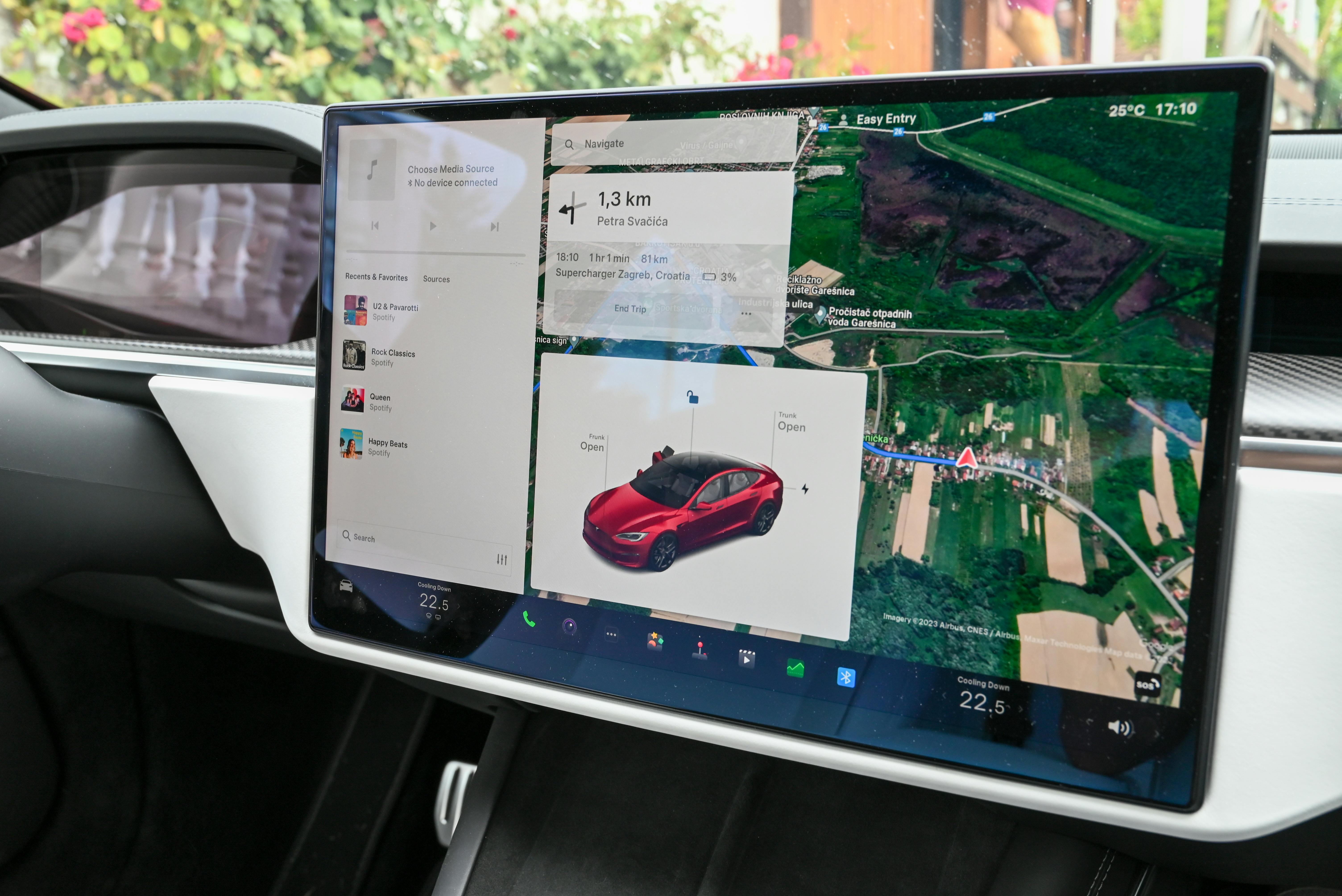
Tired of unexpected car repairs and sky-high mechanic bills? In 2026, AI-powered predictive maintenance and advanced diagnostics systems are revolutionizing car care, turning reactive fixes into proactive savings. Discover how smart vehicle health monitoring can extend your car's life, boost its resale value, and keep more cash in your pocket. We compare the best aftermarket and integrated solutions for savvy drivers like you.
Introduction to the Topic
The year is 2026, and the days of waiting for a dashboard warning light to illuminate before heading to the mechanic are rapidly becoming a relic of the past. For decades, car ownership has been synonymous with the nagging fear of the unknown – that sudden clunk, the mysterious smell, or the dreaded check engine light that inevitably leads to an expensive, unplanned repair. But thanks to incredible advancements in artificial intelligence (AI) and vehicle connectivity, the automotive world is undergoing a profound transformation. Welcome to the era of AI-powered predictive maintenance and advanced diagnostics, a technological leap designed not just to fix problems, but to prevent them entirely.
This isn't just about fancy gadgets; it's about smart, proactive vehicle health monitoring that leverages vast amounts of data to anticipate issues before they escalate. Imagine your car telling you, weeks in advance, that a specific component is showing early signs of wear and might need attention, rather than leaving you stranded on the side of the road. This technology isn't just a convenience; it's a financial lifeline, promising to save drivers thousands in repair costs, extend vehicle longevity, and significantly boost resale value. For motorscrazy.com readers, who value performance, reliability, and smart investments, understanding and adopting these AI diagnostic systems is no longer an option – it's a necessity. We're diving deep into how this tech works, what's available now, and how it will redefine your car ownership experience.
Backgrounds & Facts
Traditional car maintenance has always been a game of guesswork and scheduled intervals. Change the oil every 5,000 miles, rotate tires every 10,000, replace timing belts at 60,000 – these rules of thumb, while helpful, fail to account for individual driving styles, environmental conditions, or the specific wear patterns of a particular vehicle. This 'one-size-fits-all' approach often leads to either premature component replacement (wasting money) or, more commonly, components failing unexpectedly (costing even more money and causing inconvenience).
The first significant step towards smarter diagnostics came with the widespread adoption of On-Board Diagnostics (OBD-II) systems in the mid-1990s. These systems allowed mechanics (and later, savvy DIYers) to pull trouble codes, providing a rudimentary glimpse into a vehicle's electronic health. However, OBD-II is largely reactive; it tells you *what* has gone wrong, not *what is about to go wrong*.
Fast forward to 2026, and the landscape is unrecognizable. Modern vehicles are essentially rolling supercomputers, equipped with hundreds of sensors monitoring everything from engine RPMs, transmission fluid temperature, and tire pressure to battery health in EVs, brake pad wear, and even cabin air quality. The advent of 5G connectivity has enabled these vehicles to transmit petabytes of real-time data to cloud-based AI platforms. These AI systems, far more sophisticated than simple algorithms, utilize machine learning and deep learning to:
- Identify Anomalies: They detect subtle deviations from normal operating parameters that human technicians or basic OBD-II scanners would miss.
- Predict Failures: By analyzing historical data from millions of similar vehicles and learning from known failure patterns, AI can predict when a component is likely to fail before any symptoms appear.
- Recommend Proactive Maintenance: Instead of generic service intervals, AI suggests personalized maintenance schedules based on actual vehicle usage and wear.
- Optimize Performance: Beyond just maintenance, AI can provide insights into driving efficiency, fuel consumption (or energy usage for EVs), and even suggest minor adjustments for better performance.
The financial impact is staggering. Industry reports indicate that proactive maintenance enabled by AI can reduce unscheduled breakdowns by up to 70% and cut overall maintenance costs by 20-40%. For the average driver facing an annual repair bill of over $1,000, these savings are substantial. For fleet operators, the reduction in vehicle downtime alone translates into millions in increased productivity. This isn't just a niche luxury; it's becoming a standard feature that every smart car owner will soon demand.
Expert Opinion / Analysis
“We’re witnessing nothing less than a paradigm shift in automotive care,” states Dr. Anya Sharma, lead automotive AI researcher at the Institute for Advanced Mobility. “For decades, the industry focused on building more durable components. Now, with AI, we’re focusing on making those components last precisely as long as they should, by understanding their real-world stress and anticipating their end-of-life with incredible accuracy. This is not just about extending a car’s life; it's about optimizing its entire lifecycle from an economic and environmental perspective.”
Dr. Sharma emphasizes that the benefits extend beyond just cost savings. “Think about safety. A component that’s predicted to fail can be replaced during a routine service, preventing a potentially dangerous breakdown on the highway. For EVs, AI diagnostics are crucial for monitoring battery degradation and predicting range issues, which is vital for consumer confidence and infrastructure planning.”
The integration of AI diagnostics also has significant implications for the automotive aftermarket and dealership service centers. “Dealerships that embrace this technology will thrive,” explains Mark Jenkins, CEO of AutoTech Solutions, a leading provider of AI diagnostic platforms. “They can offer highly personalized service plans, proactive outreach to customers, and more efficient workshop scheduling. It shifts their business model from reactive repair to proactive partnership with the customer. For independent mechanics, investing in advanced AI diagnostic tools will be essential to remain competitive.”
However, challenges remain. Data privacy is a significant concern, with manufacturers and third-party providers needing to ensure robust security protocols. Standardization across different vehicle manufacturers is also an ongoing effort, though industry groups are making strides. The cost of implementing these sophisticated systems, particularly for older vehicles, can also be a barrier. Despite these hurdles, the consensus among experts is clear: AI-powered predictive maintenance is not just the future; it's the critical present for intelligent car ownership in 2026.
💰 Best Options in Comparison (VERY IMPORTANT)
Whether you're looking for a factory-integrated solution or a powerful aftermarket upgrade, the market for AI-powered car diagnostics in 2026 offers compelling choices. Here are some of the leading options designed to put you in control of your car's health and your wallet.
-
1. DriveSense AutoPilot Pro (Integrated OEM Solution)
Available as an optional package or standard on many new premium vehicles from 2024 onwards, DriveSense AutoPilot Pro represents the pinnacle of integrated AI diagnostics. It's deeply embedded into the vehicle's ECU, telematics unit, and sensor array, offering unparalleled data depth and real-time analysis. It provides predictive alerts directly to your infotainment screen and smartphone app, often integrating seamlessly with the manufacturer's authorized service network for automated booking and repair estimates. Includes advanced features like personalized driving efficiency coaching and proactive recall notifications based on specific component wear patterns.
-
2. CarSense AI Pro (Aftermarket Smart OBD-II Device + Subscription)
For those with older vehicles or who prefer a standalone solution, the CarSense AI Pro is a game-changer. This compact OBD-II dongle plugs into your car's diagnostic port and connects via 5G/Bluetooth to a dedicated smartphone app. It uses proprietary AI algorithms to analyze your vehicle's data, offering predictive alerts for common component failures (e.g., battery degradation, brake pad wear, oxygen sensor issues) up to 3-4 weeks in advance. The device offers basic real-time data, but its true power comes from its cloud-based AI subscription service, which provides detailed reports, repair cost estimates, and connects you with certified local mechanics.
-
3. FleetIQ AI (Prosumer/Small Fleet Telematics Platform)
While primarily aimed at small businesses managing a fleet of vehicles, FleetIQ AI is gaining traction among prosumers and enthusiasts who demand the absolute maximum from their vehicle data. This system involves a more robust telematics unit installation (often professional) and offers a comprehensive web-based dashboard alongside a mobile app. It provides granular data on engine performance, driver behavior, fuel consumption, and hyper-accurate predictive maintenance alerts. Its AI can even suggest optimal routes for efficiency and identify minor tuning adjustments for peak performance. The subscription cost is higher, but the level of detail and control is unmatched for those managing multiple vehicles or seeking deep insights.
| Feature | DriveSense AutoPilot Pro | CarSense AI Pro | FleetIQ AI |
|---|---|---|---|
| Type | Integrated OEM Solution | Aftermarket OBD-II Device | Advanced Telematics Platform |
| Installation | Factory Installed | DIY Plug-and-Play | Professional (Recommended) |
| Vehicle Compatibility | Newer Models (2024+) | Most Vehicles (1996+) | Most Vehicles (1996+) |
| Cost (Device/Initial) | Included in Vehicle Price / Optional Package ($500-$1000) | $129 - $199 | $299 - $499 |
| Subscription (Monthly) | $15 - $30 (Often bundled with connectivity) | $9.99 - $14.99 | $25 - $50+ (Per Vehicle) |
| Predictive Alerts | Highly Accurate, Deep Integration (Component-level) | Reliable for Common Issues, Early Detection | Extremely Granular, Performance-focused |
| Repair Estimates & Booking | Seamlessly Integrated with OEM Service | App-based, Connects to Local Certified Mechanics | Detailed, Customizable for Fleet Management |
| Additional Features | Driving Coaching, Proactive Recalls, OTA Updates | Fuel Efficiency Monitoring, Trip Logging, Geo-fencing | Driver Behavior Scoring, Route Optimization, Asset Tracking |
Outlook & Trends
The trajectory of AI-powered car diagnostics is pointing towards an even more integrated and autonomous future. By the end of this decade, we can expect several key trends to solidify:
- Deep Integration with Autonomous Driving Systems: As Level 3 and Level 4 autonomous vehicles become more common, AI diagnostics will play a critical role in ensuring the safety and reliability of self-driving hardware and software. Predicting sensor failures or software glitches will be paramount.
- Personalized Insurance Premiums: Insurance companies are already exploring models where premiums are dynamically adjusted based on a vehicle's predicted health and preventative maintenance adherence. Drivers who proactively maintain their cars using AI insights could see significant discounts.
- Blockchain for Secure Data Logging: To combat concerns about data privacy and ensure the immutable record of a vehicle's maintenance history (boosting resale value), blockchain technology is being explored for secure and transparent data logging.
- Predictive Maintenance for EVs: While EVs have fewer moving parts, battery health, charging system efficiency, and motor performance are complex. AI will become indispensable for optimizing EV battery life, predicting range degradation, and ensuring charging infrastructure compatibility.
- DIY Empowerment: While professional diagnostics will always have their place, the tools available to the average consumer will become even more sophisticated, empowering drivers to understand their vehicle's health better and make informed decisions, potentially even performing minor preventative tasks themselves with guided instructions.
- Over-The-Air (OTA) Updates & Self-Healing: Future systems may not only diagnose but also 'self-heal' minor software issues via OTA updates or even guide the vehicle to a service center autonomously for critical hardware issues.
The evolution of AI in automotive diagnostics isn't just about preventing breakdowns; it's about creating a holistic ecosystem where vehicle health, safety, efficiency, and economic value are continuously optimized, promising a future of truly worry-free car ownership.
Conclusion
The year 2026 marks a turning point in automotive care. AI-powered predictive maintenance and advanced diagnostics are no longer futuristic concepts; they are tangible, accessible technologies that are fundamentally changing how we own, operate, and maintain our vehicles. By shifting from reactive repairs to proactive prevention, drivers are empowered to save significant money, enhance vehicle reliability, improve safety, and extend the lifespan of their investment.
Whether you opt for a factory-integrated system in your next new car, choose an intelligent aftermarket OBD-II device for your current ride, or invest in a comprehensive telematics platform, embracing this technology is a smart move. Don't wait for the next unexpected repair bill to hit; take control of your car's future today. Explore the options, compare the features, and join the revolution of intelligent car ownership. Your wallet, and your peace of mind, will thank you.